Industrial Relocation Company
A comprehensive guide to industrial relocation from the experts at Presto Movers. Our team brings deep hands-on experience moving complex equipment, machinery, and entire operations with precision and minimal downtime.
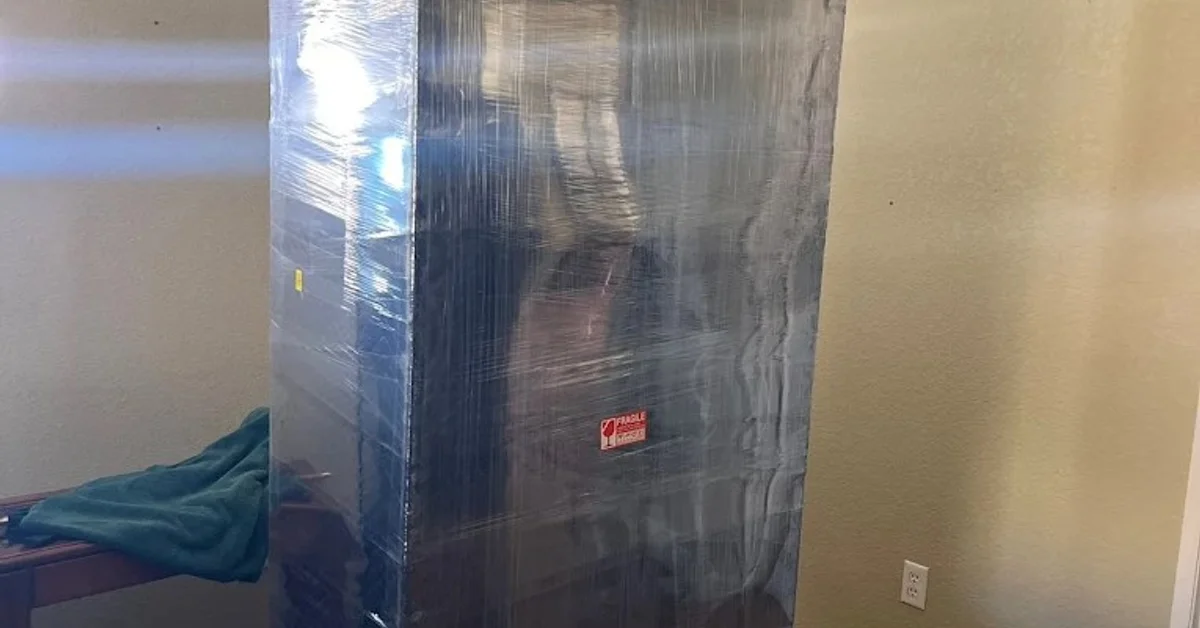
Industrial Plant & Heavy Equipment Relocation
Learn more about local movers Thousand Oaks in Seattle, WA →
California & Pacific Northwest
What Is an Industrial Relocation Company?
An industrial relocation company specializes in moving heavy equipment, complex machinery, and entire manufacturing or warehouse operations from one facility to another. Unlike standard residential or office moves, industrial relocation requires coordinated planning across engineering, logistics, rigging, compliance, and installation disciplines, often simultaneously.
At Presto Movers, we manage industrial relocations across California and the Pacific Northwest, working with plant managers, facility directors, and operations teams to move production lines, CNC machines, industrial presses, server infrastructure, and warehouse racking systems. The stakes are high: unplanned downtime in a manufacturing environment can cost tens of thousands of dollars per hour, so every industrial move we execute begins with a detailed pre-move assessment and a phased relocation plan.
Industrial relocation is fundamentally different from general commercial moving. It involves heavy rigging, floor load calculations, utility disconnection and reconnection coordination, and in many cases, seismic anchoring compliance for facilities in California. Our crews are trained in OSHA-compliant rigging and load-handling procedures, and we work closely with your facilities team and equipment vendors to ensure reconnection is seamless.
The Occupational Safety and Health Administration (OSHA) sets the regulatory baseline for rigging, hoisting, and heavy equipment handling in the United States. Any industrial relocation company worth hiring will follow these standards, and at Presto Movers, we treat them as a floor, not a ceiling.
Whether you are consolidating two plants into one, expanding into a new facility, or relocating machinery across state lines, understanding the full scope of what an industrial relocation company does, and how to choose the right one, will save you significant time, money, and operational risk.
A note on planning timelines:
Most industrial relocations require 4 to 12 weeks of pre-move planning depending on scope. Trying to compress this window is one of the most common mistakes we see, and it almost always increases cost and risk. Start conversations with your relocation partner earlier than you think you need to.
Industrial Moving Services Built for Complexity
Industrial relocation is not one service. It is a coordinated set of specialized capabilities that must work together precisely to protect your equipment, your team, and your production schedule.
Heavy Machinery and Plant Relocation
Moving a CNC machining center, an industrial press, or a complete production line requires more than a large truck. It requires structural engineers, riggers certified in load calculations, and a project manager who has done it before. Our industrial plant relocation and heavy machinery moving service covers disassembly, crating where needed, transport, and full reinstallation at your destination facility.
We conduct a pre-move site survey at both origin and destination, identifying floor load capacities, door clearances, utility access points, and any overhead obstructions. This survey is what separates a smooth relocation from an expensive delay on move day.
Free Pre-Move Assessment
Every industrial project starts with a no-obligation site walkthrough and scope review. We identify risks before they become costs.
Warehouse Relocation and Inventory Transfer
Relocating a warehouse means moving not just shelving and racking, but active inventory, often without shutting down order fulfillment entirely. Our warehouse relocation and inventory transfer service is built around phased moves that keep your operations running through transition. We work with your warehouse management system team to plan inventory staging, slot mapping, and rack configuration at the new facility before the first pallet moves.
Industrial Racking Installation and Seismic Anchoring
In California, warehouse racking must meet seismic performance standards under the California Building Code. Our industrial racking installation and seismic anchoring team handles design review, permitting coordination, installation, and inspection documentation. Cutting corners on seismic anchoring is not just a compliance risk, it is a life safety issue.
Office and Cubicle Relocation
Many industrial facilities have integrated office environments, engineering departments, and administrative wings. Our cubicle movers and installation service handles disassembly, transport, and reconfiguration of modular office systems alongside the industrial move, so your staff and your floor can both be operational in the new location without separate vendor coordination.
Long-Distance and Cross-State Industrial Moves
Moving industrial equipment across state lines introduces new layers of complexity: oversize load permitting, interstate carrier regulations under FMCSA rules, and coordination with local authorities at both origin and destination. Presto Movers manages these logistics end to end, including route surveys for oversize loads, escort vehicle coordination, and delivery timing aligned with your receiving team's schedule.
For teams planning moves from the Bay Area to other states, our cross-country relocation cost guide provides a useful baseline for understanding long-haul logistics costs, even if your project is industrial rather than residential.
The Federal Motor Carrier Safety Administration (FMCSA) sets the licensing and operational standards for interstate freight carriers. Verifying your industrial mover's FMCSA authority is a basic due diligence step before signing any contract.
How to Choose an Industrial Relocation Company
The industrial relocation market includes companies with vastly different capabilities. Some are freight brokers who subcontract the actual move. Some are general moving companies who take on industrial jobs without the specialized equipment or training required. Knowing how to evaluate providers is essential before you commit.
Start by asking whether the company owns its rigging equipment or rents it. Owned equipment means the team uses it regularly and understands its limitations. Rented equipment on a one-off job is a warning sign. Ask for references from industrial projects of similar scope, specifically from facility managers or plant engineers, not just general business owners.
Verify the company's workers' compensation and liability insurance covers industrial operations and heavy rigging. Standard commercial mover insurance does not cover machinery damage in all cases. Get the certificate of insurance directly from the insurer, not just a copy from the mover. If a mover is reluctant to provide this, that tells you something important.
Review our guide on moving company scams to avoid for a practical checklist of red flags that apply just as much to industrial moves as to residential ones. The tactics may differ, but the underlying patterns of deceptive pricing and vague contracts are the same.
Finally, ask for a written scope of work before the move, not just a price quote. A good industrial relocation company will define exactly what is included: which equipment, which areas, what disassembly and reassembly is covered, how utilities will be managed, and what the contingency plan is if something unexpected is discovered during execution.
Pre-Move Phase
- ✓ Site surveys at both origin and destination
- ✓ Floor load and clearance calculations
- ✓ Utility disconnect and reconnect schedule
- ✓ Permitting review for oversize loads or seismic anchoring
- ✓ Phased timeline with production impact analysis
Move Execution Phase
- ✓ OSHA-compliant rigging and load handling
- ✓ Equipment tagging and condition documentation
- ✓ Phased equipment moves to minimize production gaps
- ✓ Real-time project manager communication
Post-Move Phase
- ✓ Equipment reinstallation and leveling
- ✓ Seismic anchoring and compliance documentation
- ✓ Utility reconnection coordination with your vendors
- ✓ Walkthrough and sign-off with facility manager
Industry Reference
The American National Standards Institute (ANSI) publishes rigging and lifting standards used across the industrial relocation industry. Ask prospective movers whether their rigging practices comply with ASME B30 standards, the benchmark for safe lifting equipment operation in the US.
Frequently Asked Questions
Industrial relocation raises questions that residential moves simply do not. Below are the questions we hear most often from operations managers and facility directors considering a plant or warehouse move.
How long does an industrial relocation typically take? +
Can we keep production running during the move? +
Do you handle permits for oversize loads and seismic anchoring? +
What areas does Presto Movers serve for industrial relocation? +
Is a short-distance industrial move worth hiring a specialist for? +
How is an industrial move priced? +
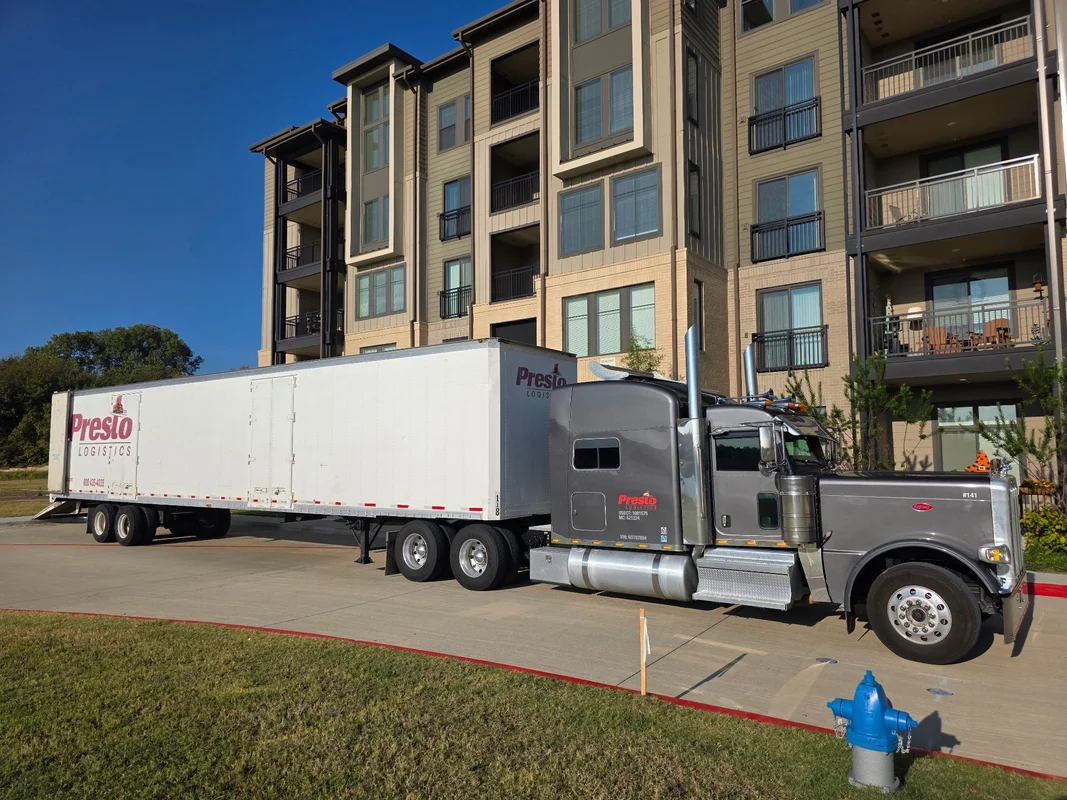
Presto Movers in Action
Every machine moved is someone's livelihood. We treat it that way.
Sustainability in Industrial Relocation
Industrial moves generate significant material waste: packing materials, crating lumber, legacy equipment that does not make the move. Presto Movers works with clients to minimize waste at every stage. Where possible, we source reusable crating materials, coordinate equipment donations or resales for items being retired, and work with recycling vendors for ferrous and non-ferrous scrap.
For facilities with sustainability reporting requirements, we can provide documentation of materials diverted from landfill during the move process. This is increasingly important for manufacturers operating under ISO 14001 environmental management frameworks or California's CalRecycle compliance requirements.
Eco-conscious industrial relocation is not just about the environment. Reusing crating materials, donating surplus equipment, and consolidating truck loads all reduce cost. A well-planned industrial move should be both cleaner and more efficient than a rushed one.
Reusable Crating Systems
We prioritize reusable protective materials over single-use crating wherever equipment specifications allow.
Equipment Disposition Coordination
Surplus machinery gets matched to resale, donation, or certified recycling channels rather than going straight to landfill.
Consolidated Load Planning
Fewer, fuller trucks mean lower emissions, lower cost, and less road congestion around your facilities during the move.
Plan Your Industrial Relocation Today
Every successful industrial move starts with a conversation. Contact Presto Movers to schedule a no-obligation site assessment, and we will put together a detailed scope and timeline specific to your equipment, your facility, and your production schedule.
© 2026 Presto Movers. Professional industrial relocation services across California and the Pacific Northwest.