
Moving to San Francisco from NYC: Cost & Tips for a Smart Cross‑Country Relocation
May 6, 2026
- By
- Presto Movers
- Professional Moving Company
At Presto Movers, we’ve been helping clients with moving to San Francisco from NYC for years of experience, and we’ve learned that this isn’t just a long-distance move – it’s a strategic decision. If you’re comparing quotes, timelines, and neighborhoods, this guide will help you evaluate your options the right way. We’ve seen families arrive to steep San Francisco streets with 26-foot trailers that couldn’t legally park, forcing last-minute shuttle transfers and added costs. Planning for distance, building access, and local regulations makes all the difference. Many people underestimate how different San Francisco housing stock is compared to NYC. We once handled a relocation where the client budgeted for a standard unload, only to discover their new building required a Certificate of Insurance and elevator reservation days in advance. Skipping these details can lead to storage fees, re-delivery charges, and serious delays. For related planning insights, see our long-distance moving checklist.
How to Compare Options and Spot Costly Mistakes
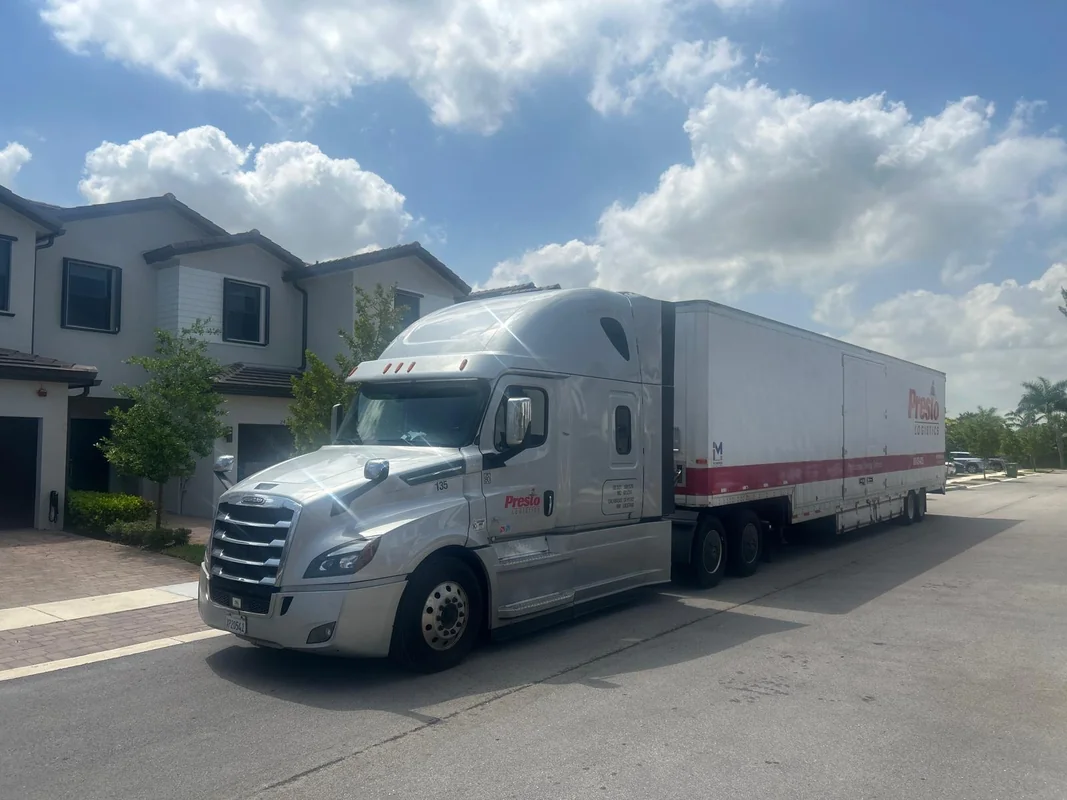
The most successful interstate relocations share two traits: transparent documentation and detailed pre-move planning. Before booking, confirm that your mover performs either a virtual survey with video inventory or an in-home assessment. Accurate cubic-foot calculations prevent underbidding that later turns into inflated charges. When comparing options, weigh the following:
- Binding vs. non-binding estimates: Binding estimates lock in cost based on inventory. Non-binding estimates may increase if weight exceeds projections.
- Valuation coverage: Full Value Protection typically costs more but covers repair or replacement at current market value.
- Transit window: Cross-country deliveries often span 7 – 21 days depending on route consolidation.
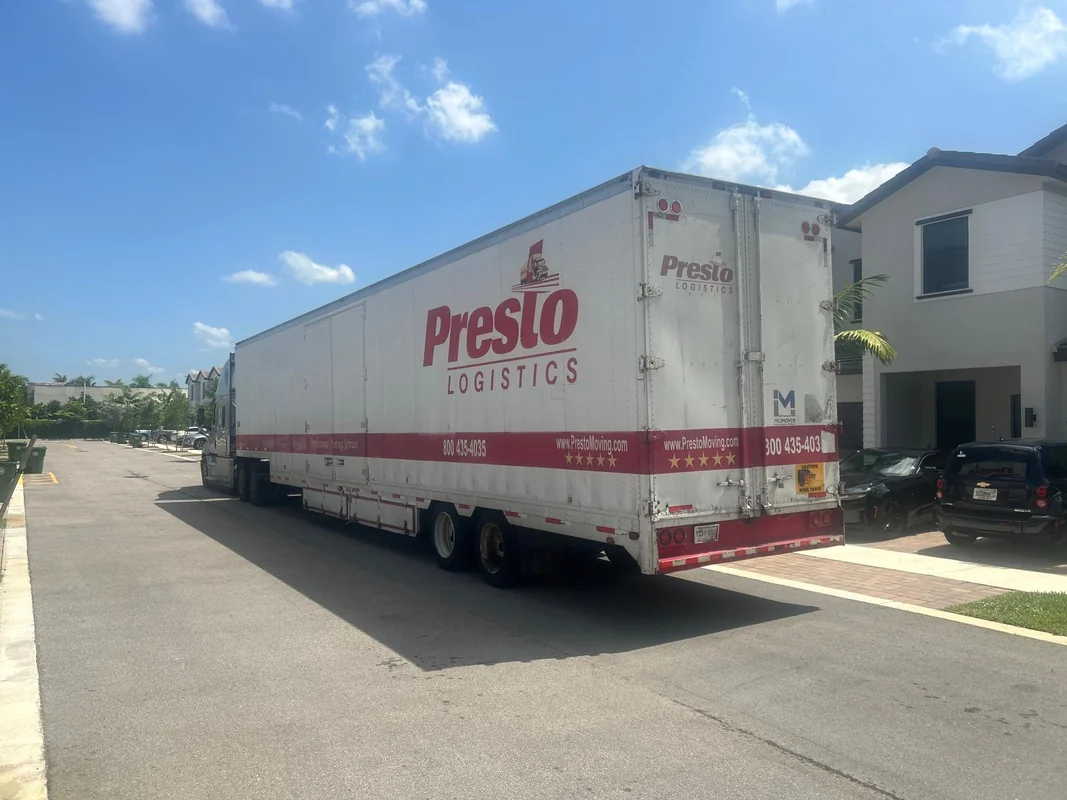
- Shuttle service needs: In dense San Francisco neighborhoods, 26-foot trailers may not access the property.
- Storage-in-transit: Useful if closing dates shift or building access is delayed.
Key Questions to Ask Before You Commit
Understanding the process reduces surprises. A typical interstate relocation from NYC to San Francisco follows this sequence:
- Inventory survey (virtual or in-home)
- Written estimate and valuation selection
- Packing (1 – 2 days for a 2 – 3 bedroom home)
- Loading and weigh-in at a certified scale
- Transit (often 7 – 14 business days)
- Delivery and reassembly
- Total shipment weight or cubic footage
- Access complexity at origin and destination
- Additional services such as crating or storage
Plan Your Move With Clarity and Confidence
A cross-country relocation deserves more than a quick online quote. The right planning protects your belongings, your schedule, and your budget. We help clients evaluate valuation coverage, access logistics, building requirements, and realistic transit timelines before they commit. If you’re weighing your options for Moving to San Francisco from NYC: Cost & Tips, start with a detailed assessment and clear documentation. We’ll walk through inventory, access constraints, and scheduling windows so you understand exactly what to expect. Careful preparation now prevents costly surprises later. Reach out to discuss your move and receive guidance tailored to your timeline and property.
FAQs
How far in advance should I plan a move from NYC to San Francisco?
For a cross-country relocation, we recommend starting 6 – 8 weeks in advance, especially if you’re moving during summer or at the end of the month. Interstate carriers often consolidate shipments heading to San Francisco, and truck space fills quickly during peak periods. Early planning allows time for a detailed inventory survey, building coordination, and valuation decisions. San Francisco properties frequently require elevator reservations, Certificates of Insurance, and specific move-in windows. Coordinating these approvals can take several business days. If you’re moving into a high-rise or a home on a narrow street, shuttle logistics may also need advance scheduling. Last-minute bookings may limit your choice of delivery windows and could increase costs due to tighter routing. Starting early gives you flexibility and better negotiating leverage while reducing the risk of storage-in-transit fees or delayed delivery.
What items are most at risk during a cross-country move?
Fragile and high-value items face the greatest risk over a 3,000-mile journey. Solid wood furniture can develop corner crush damage if not padded and blocked correctly. Glass tabletops, mirrors, and marble pieces often require custom crating using plywood panels and foam inserts to prevent flexing. Electronics are also vulnerable. Temperature shifts and vibration can affect internal components, so original manufacturer packaging is ideal when available. If not, anti-static wrap and double-boxing help reduce impact damage. Artwork and antiques deserve special attention. We often use corner protectors, acid-free paper, and climate-conscious handling when appropriate. The main financial risk comes from insufficient valuation coverage. Released-value protection pays only $0.60 per pound per article, which rarely covers the true replacement cost of designer or heirloom items. Upgrading to Full Value Protection provides significantly stronger coverage for repair or replacement.
How much does moving to San Francisco from NYC typically cost?
Costs for Moving to San Francisco from NYC: Cost & Tips discussions usually center on shipment size and service level. A studio or small one-bedroom move may start around $3,500 – $5,000, while a two- to three-bedroom home often falls between $6,000 and $10,000. Larger households or specialty items such as pianos can exceed $12,000. Pricing may fluctuate based on:
- Total shipment weight and volume
- Access complexity at both properties
- Additional services such as packing, crating, or storage
Can I handle a cross-country move myself instead of hiring professionals?
Some clients consider renting a truck and driving cross-country themselves. For minimal belongings and flexible timing, this can reduce upfront costs. However, fuel, lodging, tolls, equipment rental, and time off work add up quickly. Driving a 20- or 26-foot truck across multiple states also requires comfort with large-vehicle handling and weight distribution. Professional movers provide regulated interstate transport under FMCSA oversight, cargo insurance, and trained crews for loading and securing items. Proper tie-down techniques, load bars, and weight balancing reduce shifting during transit. We’ve seen DIY moves where improperly secured loads caused furniture to tip and sustain structural damage. If you have fragile items, limited time, or complex building access in San Francisco, professional support typically offers better risk management. DIY may work for small, simple moves, but larger households benefit from trained crews and insured transport.
What should I check before my belongings are loaded?
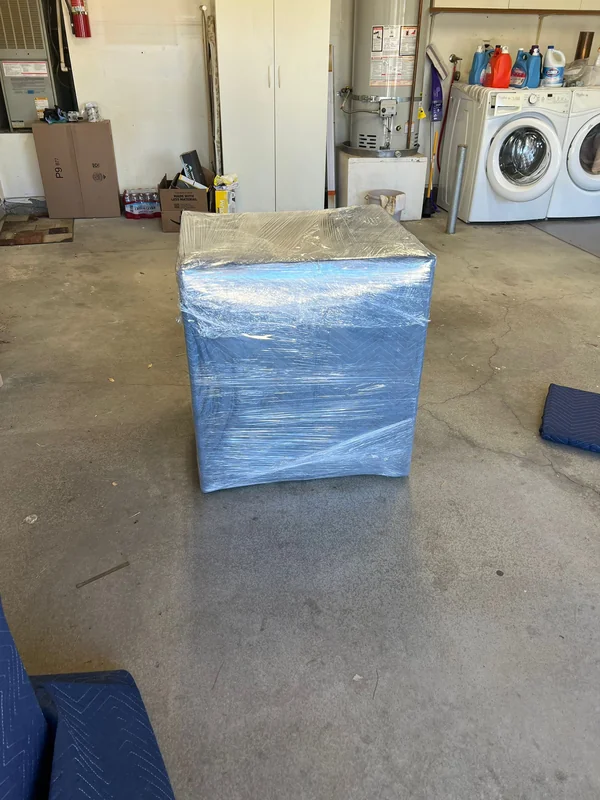
Before loading begins, review the inventory document carefully. Each item should be listed with condition notes such as scratches, dents, or existing wear. This protects both you and the carrier in case of claims. Confirm that valuation coverage matches what you selected in writing. Check that fragile items are wrapped in bubble cushioning or packing paper and placed in appropriate cartons. Heavier items should go into smaller, high-strength boxes to prevent bottom blowouts. Ensure electronics are padded and secured. Also verify building arrangements in San Francisco – elevator reservations, parking access, and floor protection requirements. If access is limited, confirm whether a shuttle truck is scheduled. Addressing these details before the truck doors close prevents delays and unexpected re-delivery or storage charges later.
What challenges are common when moving into San Francisco?
San Francisco presents logistical challenges that differ from many cities. Narrow streets and steep grades often prevent large trailers from parking directly in front of a residence. In these cases, a smaller shuttle truck transfers items from the main trailer. Many buildings require advance elevator reservations, time-restricted move-in windows, and Certificates of Insurance naming property management. Missing paperwork can delay unloading and trigger storage-in-transit fees. Older homes may have tight staircases and limited turning radii for large furniture. Measuring doorways and hallways in advance helps determine whether items require disassembly or hoisting. Weather can also shift quickly, so protective wrapping is essential during unloading. Planning around these local factors keeps your delivery on schedule and minimizes added costs.
How do I verify that a moving company is legitimate for interstate transport?
Start by confirming the company’s U.S. DOT number through the FMCSA database. Interstate movers must register with the Federal Motor Carrier Safety Administration and provide the “Your Rights and Responsibilities When You Move” booklet. Request proof of cargo insurance and workers’ compensation coverage. A legitimate mover will provide a written estimate, detailed inventory, and a clear explanation of valuation options. Avoid companies that refuse in-home or virtual surveys, demand large cash deposits, or provide vague delivery windows. Transparent communication, documented processes, and verifiable licensing protect you legally and financially. Interstate moving is federally regulated, and working with a compliant carrier ensures accountability throughout the relocation.
What should I do if my delivery is delayed?
Interstate deliveries often operate within a delivery window rather than a fixed date. If a delay occurs, review your Bill of Lading to confirm the agreed-upon spread of days. Stay in contact with the dispatcher for updated arrival projections. If you’re moving into San Francisco with a scheduled elevator reservation, notify building management immediately to adjust your time slot if possible. Keeping flexibility in your schedule reduces the risk of additional fees. Delays caused by weather, traffic, or route consolidation are not uncommon in cross-country transport. While this isn’t typically an emergency situation, having essentials packed separately – medications, documents, basic clothing – helps bridge the gap. If delays extend beyond the contractual delivery window, you may have rights under federal regulations to file a formal complaint or claim.