
Heavy Equipment Relocated Inside Your Planned Downtime Window - Not Around It
Site assessment at origin and destination before the move date is confirmed.
Request a site assessment
No costSend your facility addresses, equipment list, and target downtime window - we start the pre-move planning process from there.
We respond with a site assessment proposal, not a generic estimate. US DOT 1691575 · CA PUC MTR0191887
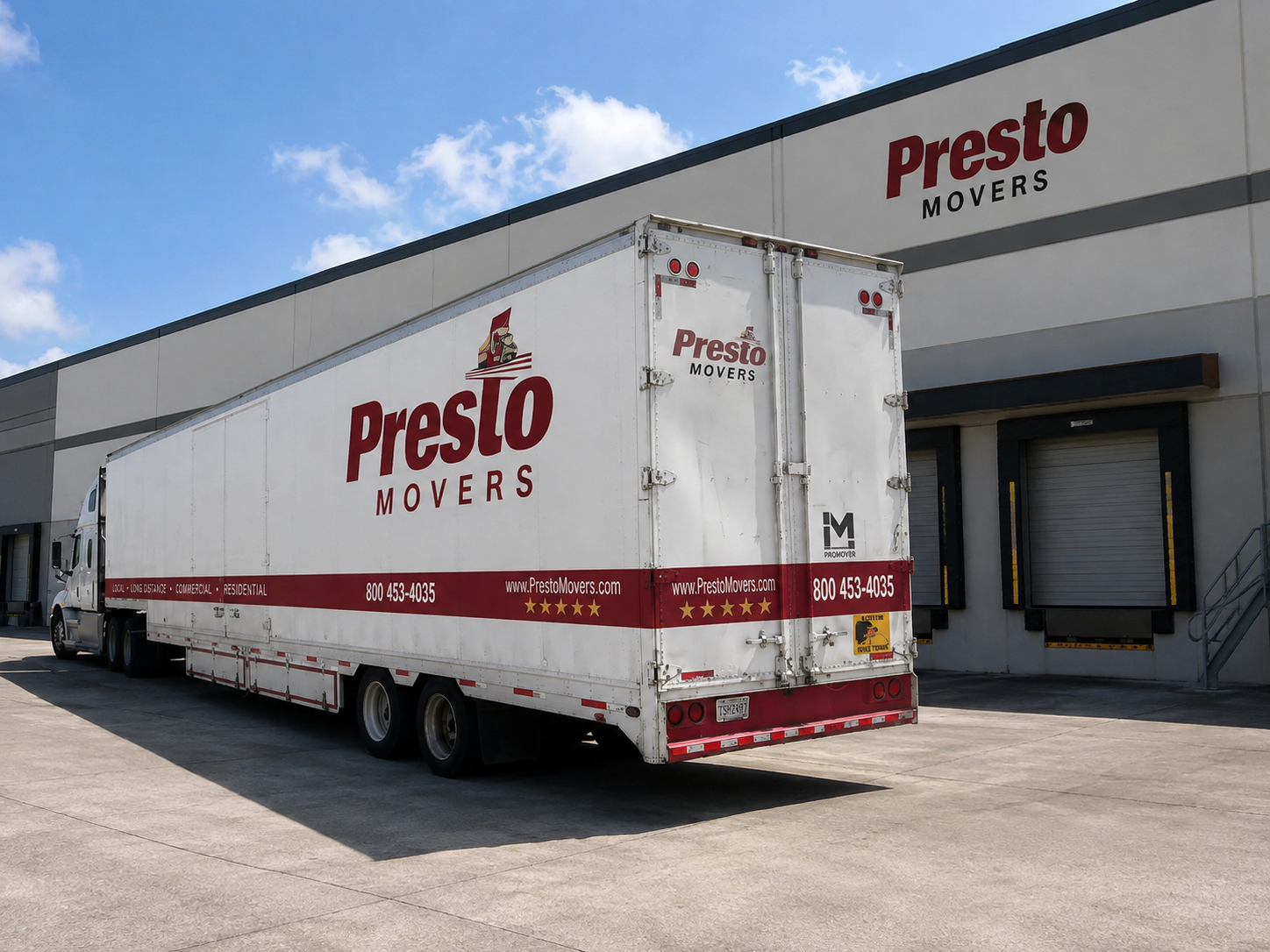
Industrial Equipment and Facility Assets Relocated Within Your Planned Production Window
Presto Movers handles industrial relocations across Greater Los Angeles - machinery, equipment, and operational assets moved to a confirmed plan, not a day-of walk-through.
This page is written for operations directors and plant managers. You already know what an industrial move involves. What you're evaluating is whether this crew can execute it without blowing your production calendar.
Here's the short answer: every industrial relocation we take starts with a pre-move site assessment at both the origin facility and the destination. Floor load capacity - the weight a building's floor structure can safely support - is confirmed before we route anything. Access points, dock constraints, and aisle widths are mapped. Equipment decommissioning - the process of disconnecting, draining, and securing a machine before transport, including electrical, pneumatic, and hydraulic disconnects - is scoped before the move date is set.
The crew arrives with a sequenced plan. Not a general idea. A plan.
Presto Movers has operated across the Greater Los Angeles area and the Inland Empire since 2007. The company is fully insured, bonded, and DOT-compliant - a baseline requirement for any contractor moving heavy equipment across city or county lines. Our commercial facility relocation services follow the same pre-move site assessment and crew planning framework applied here.
Serving Los Angeles County and the Inland Empire Industrial Corridor From Simi Valley
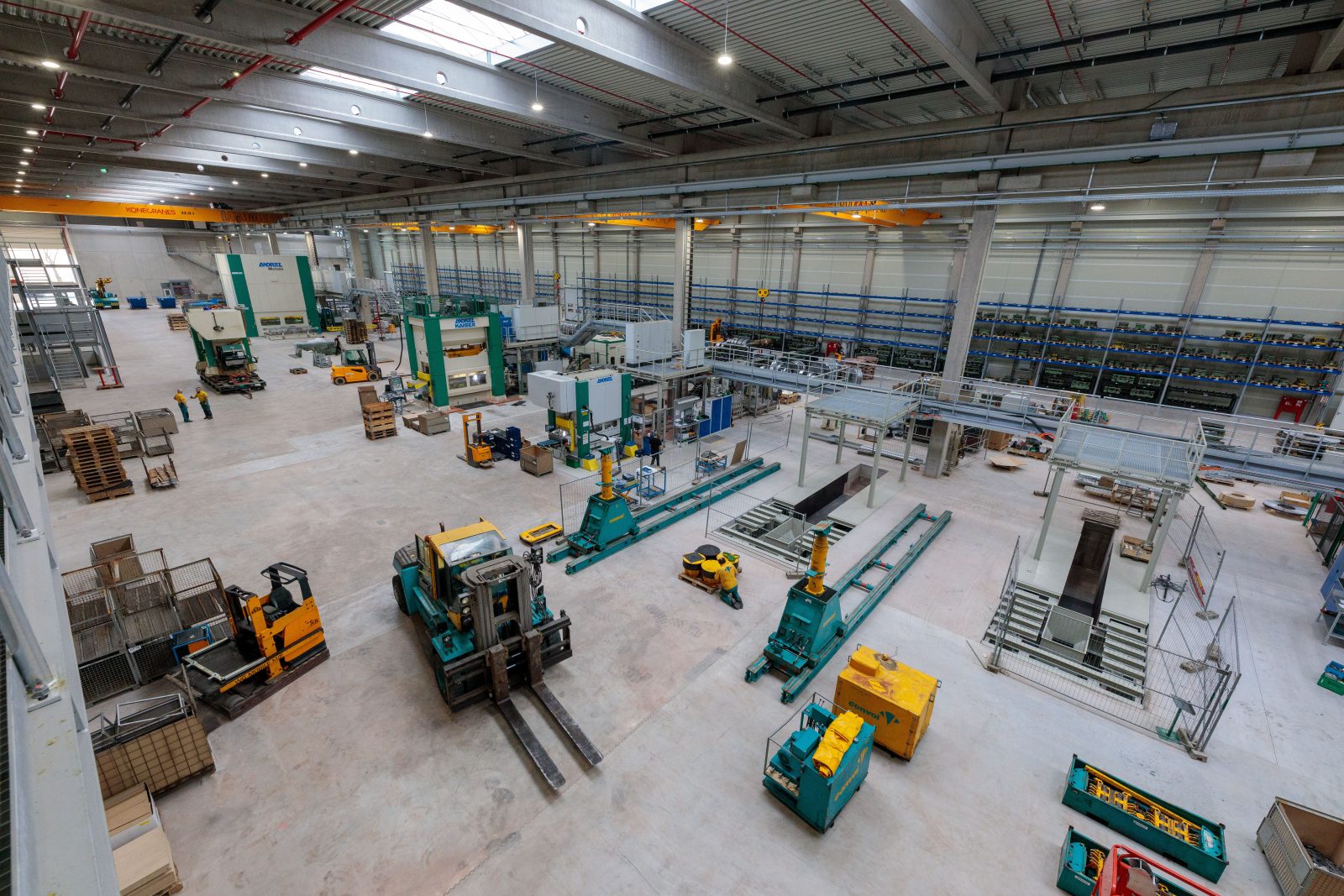
Our dispatch location in Simi Valley puts us in direct reach of the region's densest industrial zones.
The I-210 and I-15 corridors connect our Simi Valley base to the Inland Empire Industrial Corridor - the stretch of warehousing, manufacturing, and distribution facilities concentrated along the I-10 and I-15 through San Bernardino and Riverside counties. We run to Fontana, Ontario, and San Bernardino regularly. We also coordinate racking installation at the destination facility to ensure your new space is fully operational as part of the overall relocation plan.
Building access windows at Class A distribution and manufacturing facilities in this zone are tightly managed. Dock reservation systems, after-hours move restrictions, and fire marshal clearance requirements vary facility by facility. We've worked in enough of these buildings to know what to confirm before the trucks arrive.
Los Angeles County industrial zones - Vernon, Commerce, the Harbor area, the San Fernando Valley - carry their own access and permit logistics. A Vernon facility move and an Ontario warehouse move are not the same job. We know the difference, and we plan accordingly.
Why Equipment Moves That Run Long Have Consequences - and How Pre-Move Planning Prevents Them
Production downtime - the period a facility cannot operate due to relocation activity - is where industrial moves succeed or fail.
- A machine heavier than the paperwork shows.
- A destination floor's load capacity that hasn't been verified.
- Rigging - cranes, forklifts, hoists, and slings used to move equipment that cannot be hand-carried - sized for the listed weight, not the actual weight.
- A planned shutdown window of eight hours that runs fourteen.
That's not just a scheduling problem. That's a production loss with a dollar figure attached.
All rigging operations are conducted in accordance with California Division of Occupational Safety and Health standards to ensure crew safety and equipment integrity throughout the move.
Our pre-move site assessment closes exactly that gap. We confirm dimensions, weights, and disconnect requirements in person - not from a spec sheet. We assess floor load capacity at the destination before routing is finalized. We map the sequence: which machine moves first, which loading bay it exits through, what grade changes it crosses, where it stages before the truck is positioned.
Machinery skidding - placing heavy equipment on wooden or steel skids to enable safe movement across a facility floor before loading - is planned as part of the sequence, not improvised on the day. By the time the crew arrives, the only variable left is execution.
For moves with extended shutdown windows or planning gaps between phases, secure equipment storage during transition is available to keep assets protected without compressing your schedule.
The chain of custody log - a record tracking the condition and location of each piece of equipment throughout the relocation - starts at equipment decommissioning and runs to final placement at the destination. Every piece is accounted for at every stage.
Fully Insured, Bonded, and DOT-Compliant for Cross-County Industrial Transport Operations
Presto Movers carries full insurance, bonding, and DOT compliance - not as a credential to mention, but as a functional requirement for the jobs we take.
Most industrial relocations in the Greater Los Angeles area cross at least one county line. Los Angeles County to San Bernardino County. Los Angeles County to Riverside County. That's commercial freight territory, and the compliance requirements reflect it.
DOT compliance means our transport operations meet federal Department of Transportation standards. For you, it means the certificate of insurance your building manager requires names a carrier that's qualified to operate on the roads between your facilities.
We carry the documentation that corporate facilities teams, property managers, and industrial park operators ask for. We've submitted it across hundreds of jobs. It's not a hurdle - it's table stakes.
How We Plan an Industrial Relocation: Site Assessment, Sequence, and Downtime Window
Every industrial facility move follows the same pre-move planning framework - applied to your specific equipment, your specific buildings, and your specific schedule.
Here is how the planning process works:
- Site assessment - origin facility
- Dimensions, weights, and floor routing for every piece of equipment on the move list. Access points, dock constraints, and any floor load capacity restrictions that affect the route through the building.
- Equipment decommissioning scope
- Every machine requiring disconnection before it moves is inventoried - electrical, pneumatic, hydraulic. Decommissioning sequence is built into the plan.
- Site assessment - destination facility
- Floor load capacity verified. Equipment placement positions confirmed against the destination floor plan. Access confirmed for the equipment's dimensions and the rigging required.
- Sequencing
- Move order determined based on production dependencies, not convenience. What has to be running first at the destination drives the sequence at the origin.
- Downtime window confirmation
- The production downtime window is locked in before the move date is finalized. Not estimated. Confirmed.
- Chain of custody log setup
- Condition documentation for every piece before first contact. Log runs to final sign-off at the destination.
Three weeks of planning for a one-weekend move is not unusual. That ratio is the point.
Pre-Move Checklist: What We Confirm at Both Facilities Before Moving a Single Piece of Equipment
The checklist below reflects what we verify at every industrial relocation - before the move date is set.
Diagnostics
- Equipment inventory confirmed against actual weights and dimensions
- Floor load capacity checked at both facilities - not assumed from building specs
- Aisle widths and door clearances measured for the largest piece in the move
- Dock availability and reservation confirmed at the destination
- Decommissioning requirements catalogued - electrical, pneumatic, hydraulic
- Chain of custody log opened; baseline condition documented for every piece
Implementation
- Machinery skidding equipment staged at origin before crew arrives
- Rigging equipment sized to actual verified weights - not listed weights
- Move sequence finalized and distributed to every crew lead the day before
- Decommissioning completed and verified before the first piece is loaded
- Loading order follows destination placement sequence - last piece off loads first
Post-Move Verification
- Equipment positioned per destination floor plan
- Chain of custody log closed with condition sign-off at delivery
- Reconnection readiness confirmed - facility team notified before we leave
- Punch list of any condition changes documented and reviewed with your team
Industrial Relocation Across Los Angeles, Fontana, Ontario, San Bernardino, and Riverside
Presto Movers serves industrial facilities across the Greater Los Angeles Area and the Inland Empire.
We operate across Los Angeles County, San Bernardino County, and Riverside County. Key service zones include Fontana, Ontario, Rancho Cucamonga, San Bernardino, Riverside, and Corona on the Inland Empire side. Los Angeles industrial zones include Vernon, Commerce, Burbank, and the Harbor district. We also serve Ventura County and Orange County industrial sites.
Call 888-678-6151 or email info@prestomovers.net to discuss your facility locations.
- Fontana
- Ontario
- Rancho Cucamonga
- San Bernardino
- Riverside
- Corona
- Vernon
- Commerce
- Burbank
- Harbor district
- Ventura County
- Orange County
Share Your Facility Layout and We'll Build a Relocation Plan Around Your Schedule
Send us your facility addresses, equipment list, and target downtime window - we start the pre-move planning process from there.
Industrial relocation planning begins with information, not a quote sheet. The more specific you are about your equipment and your production calendar, the more specific we can be about the plan.
Call 888-678-6151. Email info@prestomovers.net. Or use the form on this page. Include your origin and destination facility cities, a brief equipment description, and your target move window. We'll respond with a site assessment proposal - not a generic estimate.
For operations that also need full-service business moving in Los Angeles, we coordinate office and facility assets alongside industrial equipment under a single relocation plan.
Industrial Relocation Questions From Operations Directors and Plant Managers
For answers to common questions about industrial move logistics, including how we handle permit requirements, equipment decommissioning timelines, and multi-phase moves, visit our FAQ page.
How much does an industrial relocation in the Los Angeles area typically cost?
Industrial relocation pricing depends on equipment count, weight, and required rigging. A single-machine move with standard rigging runs less than a multi-phase facility shutdown involving sequenced decommissioning across several days. Projects in the Inland Empire corridor often add site assessment time for both origin and destination facilities. Call 888-678-6151 with your equipment list and facility cities for a scoped estimate - not a general range.
What happens during the pre-move site assessment, and how long does it take?
Our team visits both the origin and destination facility before the move date is confirmed. We measure floor load capacity, door clearances, aisle widths, and dock constraints at each location. Decommissioning requirements - electrical, pneumatic, hydraulic - are catalogued during the same visit. Most site assessments complete in one business day per facility, depending on equipment count.
Can the move be completed inside a single weekend shutdown window?
Yes - for most single-department or limited-equipment moves, a weekend window is achievable. The pre-move site assessment and sequencing plan exist specifically to compress the production downtime window. Multi-phase relocations involving large machinery or multiple bays may require staggered weekend windows confirmed during planning.
What separates your industrial relocation process from a general commercial mover?
Presto Movers assigns a sequenced move plan - not a day-of walk-through - before any equipment is touched. Machinery skidding, rigging sizing, decommissioning scope, and destination placement are confirmed in advance. A chain of custody log tracks every piece from first contact to final sign-off. General commercial movers do not typically run a pre-move site assessment at both facilities.
Do you handle equipment decommissioning, or does our maintenance team need to do that first?
Decommissioning scope is defined during the site assessment. Presto Movers coordinates the disconnection sequence as part of the move plan. Whether your team handles the actual disconnects or we coordinate with a specialist depends on the equipment type. Either way, no piece moves until decommissioning is verified and logged.
Is Presto Movers qualified to move equipment across county lines in the Greater LA area?
Presto Movers is fully insured, bonded, and DOT-compliant. Cross-county equipment transport - Los Angeles to San Bernardino or Riverside counties - requires a carrier that meets federal Department of Transportation standards. We carry the documentation that industrial facility managers and corporate real estate teams require before a contractor can enter their buildings.
Prefer to walk the equipment list on a call?
Pick a window and a coordinator will call you back to scope the assessment.
Prefer a callback?
Pick a timeOr call 888-678-6151 directly. US DOT 1691575 · CA PUC MTR0191887