
Cross Country Moving Services: Costs, Timelines, and What to Expect
February 25, 2026
- By
- Presto Movers
- Professional Moving Company
Boxes stacked in the garage, a closing date circled on the calendar, and a new job starting in another state can make any household feel overwhelmed. Then the moving quotes begin to arrive, often separated by thousands of dollars, leaving families unsure which company to trust. At Presto Movers, we have spent years helping homeowners manage the complexities of Cross Country Moving, and we consistently see the same challenges surface. Pricing structures vary widely, delivery timelines can be confusing, and many estimates do not clearly explain what services are included. Families often compare bottom line totals without understanding how shipment weight is calculated, how delivery windows are scheduled, or what valuation coverage truly protects. For a clear explanation of what comprehensive assistance includes, review our full service movers guide. We have seen the consequences when critical details are ignored. One homeowner selected the lowest bid without confirming proper licensing and documentation, only to encounter delivery delays and unexpected charges at unloading. The real problem was not simply cost. It was a lack of preparation, transparency, and careful planning.
Best Practices That Protect Your Timeline and Budget
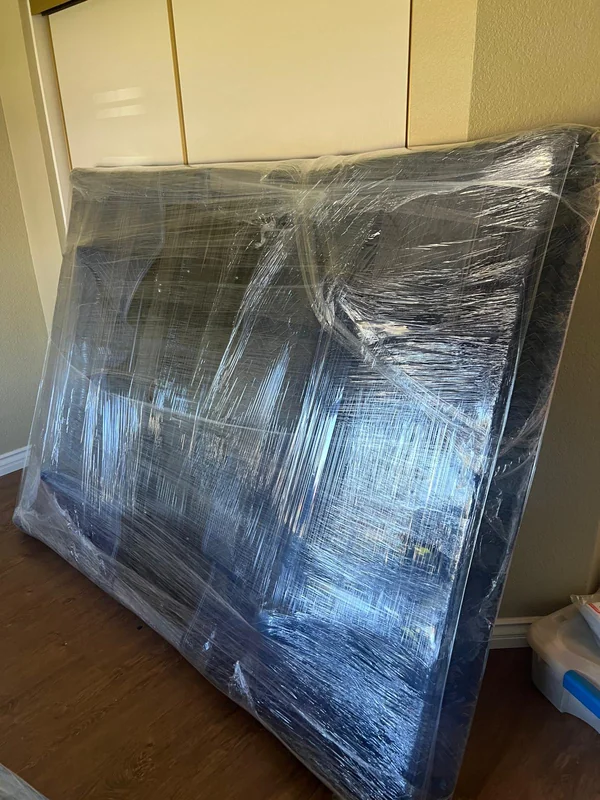
Successful Cross Country Moving depends on documentation, inventory accuracy, and clear communication. The most reliable outcomes come from movers who follow federal regulations, use certified weighing procedures, and provide written service agreements. A professional interstate move should include:
- A detailed inventory with condition notes for each item.
- Clear explanation of valuation options (Released Value vs. Full Value Protection).
- Certified weight tickets from a public CAT scale.
- Defined pickup and delivery spread dates in writing.
- Proper packing materials – double-wall cartons, dish packs with cell dividers, mattress cartons, and labeled high-value item forms.
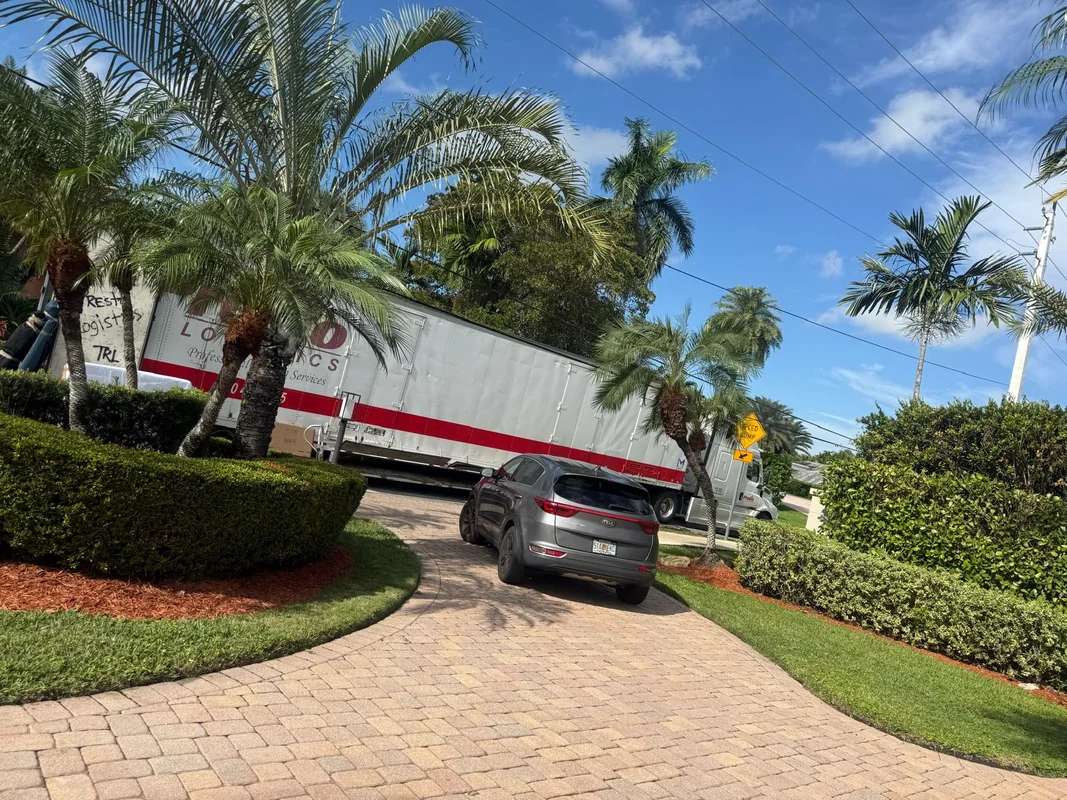
Prevention Strategies to Avoid Delays and Surprise Costs
The most effective way to control a Cross Country Moving budget is to start planning 6 – 8 weeks before your target move date. Early scheduling increases truck availability and reduces peak-season surcharges. We recommend this sequence:
- Declutter and reduce shipment weight.
- Schedule an in-home or virtual survey for an accurate inventory.
- Lock in a binding or binding-not-to-exceed estimate.
- Confirm valuation coverage and delivery window.
- Total shipment weight and volume.
- Access challenges such as long carries, stairs, or shuttle trucks.
- Seasonal demand and fuel costs.
Schedule a Detailed Moving Assessment
If you are planning a long distance move, now is the time to take decisive action. Every day you wait can limit availability, increase costs, and add unnecessary stress to your schedule. At Presto Movers, we begin with a detailed assessment of your inventory, access points, and timeline so you receive an accurate quote and a realistic delivery window. No guesswork. No last minute surprises. Just a clear, organized plan built around your needs. Our experienced team manages everything from professional packing and secure loading to certified weight documentation and on time delivery. We protect fragile and high value items with specialized handling and keep you informed at every stage. The result is a smoother relocation, controlled costs, and total peace of mind. Spots fill quickly, especially during peak moving seasons. Contact Presto Movers today to schedule your personalized consultation and lock in your preferred dates. Let us build a written, reliable moving plan that keeps you on schedule and within budget.

FAQs
How long does a cross country move usually take?
Transit time depends primarily on mileage and route scheduling. For many cross-country shipments, delivery may take 7 to 21 days from pickup. Carriers often estimate one to two business days per 500 – 600 miles, plus time for loading and unloading. If your shipment shares truck space with other households, delivery may fall within a spread of several days rather than a fixed date. Weather, road conditions, and peak-season capacity can also affect timing. Summer months typically see higher demand, which can extend delivery windows. Expedited service is sometimes available for an added cost, but it must be clearly written into the contract. We recommend confirming your pickup date, delivery spread, and valuation coverage in writing before signing. Clear documentation prevents misunderstandings and helps you plan utilities, temporary housing, and work schedules more effectively.
What is included in a full-service cross country move?
A full-service interstate move typically includes professional packing, careful loading, long-distance transportation, unloading, and basic furniture placement at your new residence. Experienced packing crews arrive with quality materials such as double-wall cartons for added strength, dish packs with cell dividers for fragile kitchenware, mattress cartons to prevent stains and tears, and stretch wrap to safeguard upholstered furniture from dirt and moisture. High-value or unusually shaped items like artwork, antiques, or large mirrors may require custom crating for maximum protection during transit. The service should also provide a detailed, room-by-room inventory that lists each carton and major item along with condition notes. Clearly labeled boxes help ensure accurate tracking and organized delivery. Certified weight tickets obtained from a public scale confirm the shipment weight and promote transparent billing. In addition, you should receive written documentation explaining valuation coverage options and liability limits. Many customers request storage-in-transit if move-in dates are delayed, while others add unpacking assistance and debris removal. Before signing, carefully review the written estimate to confirm included materials, labor, travel time, and any access-related fees.
How much does Cross Country Moving cost?
Cross Country Moving costs may range from $4,000 to $12,000 or more for a typical household, depending on distance and shipment size. Smaller moves in shared trailers may cost less, while large single-family homes with full packing services can exceed that range. Pricing typically starts around a base line-haul rate calculated by weight and mileage. Costs can fluctuate based on:
- Shipment weight and total scope of packing services.
- Access conditions such as stairs, elevators, or long carries.
- Seasonal demand, fuel surcharges, and required storage.
Can I handle a cross country move myself instead of hiring professionals?
Some homeowners choose a DIY approach by renting a moving truck or using portable storage containers. While this option can lower upfront labor costs, it transfers significant responsibility to you. You are in charge of proper packing techniques, securing items to prevent shifting, driving a large vehicle safely, covering fuel expenses, arranging lodging if needed, and handling any damage that occurs in transit. Operating a 26 foot rental truck across state lines requires confidence with height clearances, weight restrictions, braking distances, and managing fatigue during long hours on the road. In contrast, professional movers provide trained crews who understand safe lifting practices and efficient loading methods. They use commercial grade equipment such as appliance dollies, furniture pads, tie downs, and liftgate trucks. Licensed interstate carriers must comply with FMCSA regulations, which include documentation requirements and standardized claims processes. DIY moves can be practical for small households with minimal valuables and flexible timelines. However, for larger homes, delicate furniture, or firm delivery dates, hiring professionals often reduces logistical stress and overall risk.
What are warning signs of a problematic moving company?
A reliable interstate mover should always provide a valid U.S. DOT number, a detailed written estimate, and clear explanations of valuation coverage options. These basics demonstrate that the company operates legally and follows federal regulations. If a mover refuses to perform a visual survey of your belongings, whether in person or through a virtual walkthrough, the weight estimate may be inaccurate. Inaccurate estimates often lead to higher final charges on moving day. Be cautious of companies that demand large deposits upfront or insist on cash-only payments, as these practices can indicate potential fraud or unprofessional conduct. Pay close attention to delivery timelines. Vague or overly optimistic delivery windows without written confirmation may result in unexpected delays. Promises of unusually fast cross-country delivery without a formal expedited service agreement should also raise questions. Research the company’s complaint history through federal transportation databases and reputable consumer review platforms. Request proof of cargo insurance and verify that the coverage is current. Finally, confirm whether your estimate is binding, non-binding, or binding not-to-exceed. Carefully reviewing these details before signing any contract helps prevent surprise fees, delayed shipments, and disputes over lost or damaged items.
What common problems occur during cross country moves?
Common issues include underestimated shipment weight, delayed delivery caused by route consolidation, and misunderstandings about valuation coverage. When inventory lists are incomplete or not updated after packing additional items, the final shipment weight can exceed the original estimate. Under non-binding agreements, this often results in higher charges at delivery. Damage is another concern when items are not packed in suitable cartons or when furniture is not adequately protected with moving blankets and secured with load bars inside the trailer. Fragile items require proper cushioning, and electronics should be boxed according to manufacturer guidelines to reduce risk during transit. Poor labeling or unclear room identification can lead to misplaced cartons, delivery confusion, and extended unloading times. Access challenges at the destination are also common. Narrow streets, limited parking, stair-only buildings, or low-clearance areas may require a shuttle truck or additional labor, increasing both time and cost. Proactive site evaluations, accurate inventories, and clear written documentation significantly reduce these risks. Most complications arise from preventable planning gaps rather than unavoidable events.
What should I look for when hiring a cross country mover?
Verify that the mover is properly registered with the Federal Motor Carrier Safety Administration and has an active U.S. DOT number. You can confirm this information through the FMCSA website to ensure the company is authorized for interstate transport. Request a written estimate and make sure it clearly specifies whether the quote is binding, non-binding, or binding-not-to-exceed. Ask the company to explain how shipment weight will be calculated and whether certified scale tickets will be provided as proof. Clarify valuation coverage in writing and review the details of Full Value Protection, including any deductible and the claims process. In addition, ask about estimated delivery windows and how route scheduling works for long distance moves. Professional movers should perform a thorough inventory survey, either in person or virtually, to assess the scope of the job. Request a breakdown of potential extra charges such as stair fees, long carry fees, packing materials, storage, or shuttle services. Clear contracts, consistent communication, and defined dispute resolution procedures are strong indicators of a reputable and organized moving company. Taking the time to review these details helps safeguard your budget and your belongings.
What should I do if my move is coming up quickly?
If your timeline is short, begin by creating a thorough, room by room inventory as soon as possible. Identify what you truly need to ship and separate items that can be sold, donated, or discarded. Reducing volume lowers overall weight, simplifies loading, and can shorten transit time. Reach out to licensed interstate movers right away and request virtual or video surveys to speed up the estimate process while still receiving an accurate quote. Ask about current availability and be open to flexible pickup and delivery windows, since guaranteed or expedited dates often come at a premium. Carefully review valuation coverage options, cancellation policies, and payment terms before signing any agreement. Prepare a clearly labeled essentials box with important documents, medications, chargers, valuables, and daily necessities that will travel with you. Compressed timelines can limit truck and crew availability, so securing a written contract with confirmed dates early significantly improves your chances of avoiding delays and unexpected last minute costs.