
Hey there! Planning to relocate your precious flat screen? Let me tell you, proper packing is everything. Those sleek displays might look sturdy, but they’re actually quite delicate. Getting the right heavy-duty materials can make all the difference between a safe arrival and a cracked screen. We’ve helped countless customers transport their screens safely, and today I’ll share our best tips from experienced tv movers.

Why Heavy-Duty Moving Box Materials Matter for Your Television
Ever seen what happens when someone uses a regular cardboard box for a flat screen? Not pretty. Standard boxes just don’t provide enough protection for these expensive displays. Heavy-duty materials offer better cushioning against bumps and jolts during transport.
The original packaging that came with your television is ideal, but most of us toss that out after setup. That’s where specialized packing solutions from professional tv movers come in. These sturdy containers are designed specifically for electronic equipment with fragile screens. They have reinforced corners and thicker walls to absorb impact better than regular boxes.
Step-by-Step Guide to Pack Your TV Safely
First things first, unplug all cables and accessories. Take a quick photo of the back of your screen so you’ll remember which cable goes where later. Remove the base or stand if possible, and pack it separately.
Clean the screen with a microfiber cloth to remove dust and fingerprints. This might seem unnecessary, but dust particles can scratch the surface during transit if trapped between the screen and packing materials.
Next, wrap the entire unit in a soft blanket or bubble wrap. Secure it with tape, but never apply tape directly to the screen surface! Place the wrapped screen in your heavy-duty box, with foam inserts positioned at the corners and sides. This technique is one that professional tv movers use consistently.
Essential Packing Materials for Television Transport
When preparing for transport, make sure you have these items handy:
- Microfiber cloth for cleaning
- Bubble wrap or moving blankets
- Heavy-duty cardboard box (preferably original packaging)
- Foam corner protectors
- Packing tape
- Zip-top bags for screws and small parts
- Marker for labeling
These supplies ensure your flat screen arrives safely at its destination. The foam inserts are particularly important as they prevent shifting inside the box during transport.
Professional TV Movers vs. DIY Television Set Moving
Deciding between hiring professionals or doing it yourself? Both options have their merits. DIY transport gives you complete control over how your flat screen is handled. You can take extra time to ensure everything is packed perfectly.
Professional services, however, bring experience and specialized equipment to the table. Trained tv movers deal with transporting delicate electronics daily and know exactly how to prevent damage. Many also offer insurance options for additional peace of mind.
When to Call a Moving Company for Your TV
Consider professional help if your flat screen is particularly large (over 55 inches) or exceptionally valuable. These units can be awkward to carry and more susceptible to damage due to their size and weight.
Limited mobility or lack of proper packing materials are other good reasons to call the pros. Also, if you’re moving long-distance, professional tv movers often make more sense than trying to secure a large screen in your personal vehicle for hundreds of miles.
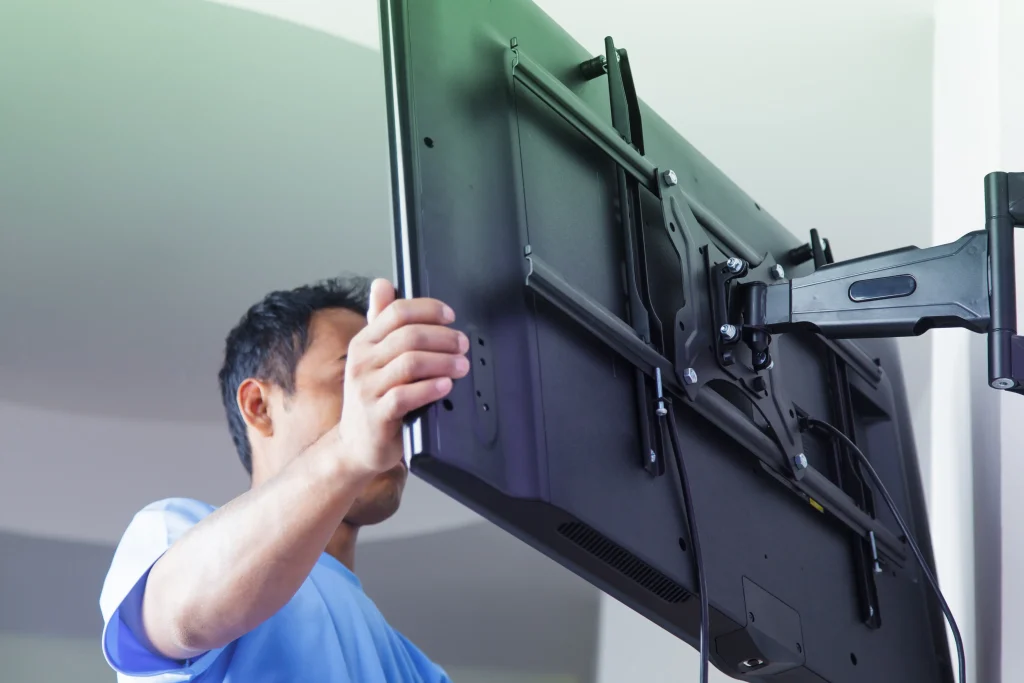

Protecting Your Investment During Transport
Let’s face it, flat screens aren’t cheap. The average household spends over $1,000 on these displays, making them one of the most valuable items during relocation. Proper protection isn’t just about preventing damage; it’s about protecting your investment.
Temperature changes can affect electronics too. If possible, transport your screen in a climate-controlled vehicle, especially during extreme weather. Never leave it in a hot or freezing car for extended periods.
Once you reach your destination, wait before plugging everything back in. Let the unit adjust to room temperature first, especially if there’s been a significant temperature change during transport. This simple step helps prevent condensation issues that could damage internal components.
Remember, taking a little extra time to pack properly now saves headaches (and possibly a shopping trip for a replacement) later! Trust the experts or become one yourself with these tips from seasoned tv movers.
FAQ
How much does it cost to hire professional TV movers?
Professional services typically charge between $150-$300 for television transport alone. Factors affecting price include screen size, distance, and whether you need packing materials. Many companies offer discounts when bundled with full-home moving services. Always get quotes from multiple providers for the best rates.
Can I transport my TV lying flat in my car?
Never transport your flat screen lying down! This position puts dangerous pressure on the display panel. Always move televisions in an upright position, properly secured and cushioned. If your vehicle can’t accommodate this, consider rental options or professional help rather than risking screen damage.
How long should I wait before setting up my TV after moving?
Allow your television to acclimate for at least 1-2 hours after arriving at your destination. This prevents potential condensation from temperature changes. Use this time to unpack carefully, prepare the mounting area, and organize cables for a smoother setup process later.