
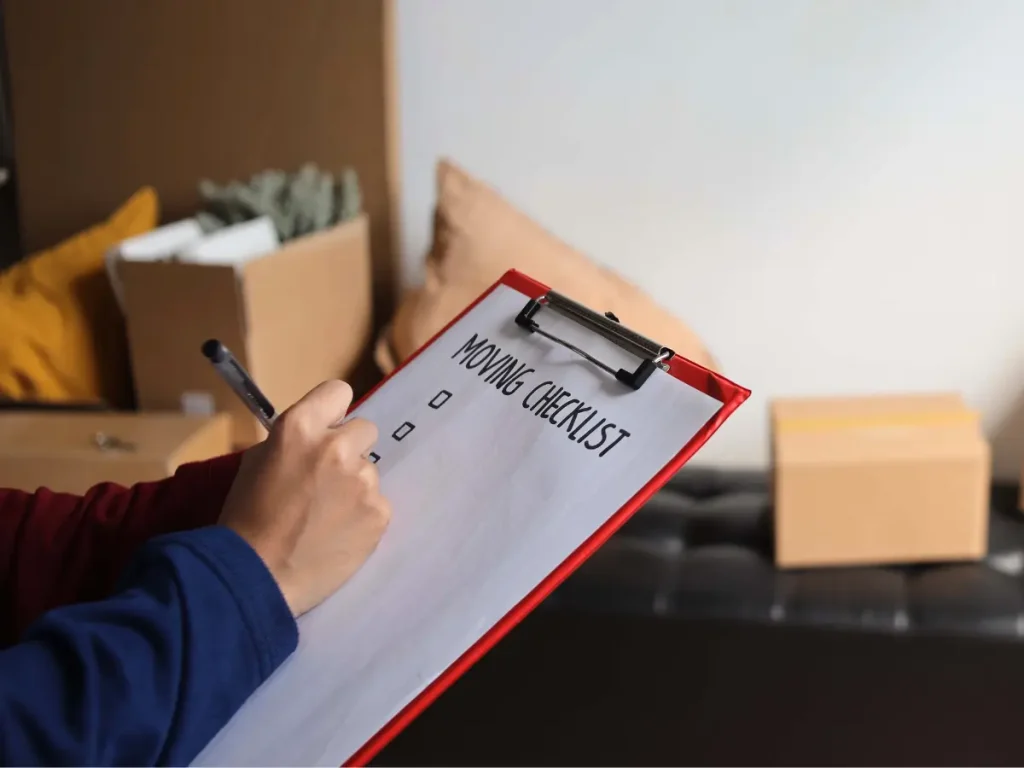
Relocating to a new home feels overwhelming without proper planning. A good moving checklist transforms chaos into manageable steps. We’ve helped countless families organize their relocations successfully. This guide breaks down exactly what you need to do and when. Let’s dive into creating your personalized moving checklist for a smooth transition.

Two Months Before Moving: Start Your Planning Early
Starting early makes everything easier later on. This is when you’ll tackle the big-picture items on your moving checklist. First, decide on your relocation date if you haven’t already. Contact your landlord about lease terms if you’re renting. Begin researching neighborhoods in your destination city. Start decluttering rooms one by one. Donate items you no longer need or want. Sell valuable things you won’t take with you. This early preparation saves you stress and money down the road.
Create a dedicated folder for important documents now. Include your lease, mortgage papers, and insurance policies. Take photos of valuable items for insurance purposes. Start collecting estimates if you’re hiring professionals. The Department of Transportation requires licensed movers to provide written estimates. Compare at least three different quotes before deciding. Remember, the cheapest option isn’t always the best choice. Your moving checklist should note each company’s pros and cons.
Six Weeks Before Moving: Gather Your Packing Materials
Now’s the time to start collecting boxes and supplies. Your moving checklist should include various box sizes for different items. Check local liquor stores for sturdy free boxes. Buy bubble wrap for fragile belongings. Get markers, tape, and labels ready. Consider specialty boxes for TVs, mirrors, and artwork. Having everything ready prevents last-minute scrambling.
Start using up frozen and perishable food items in your freezer. Plan meals around what you already have. This reduces waste and lightens your load. Begin taking measurements of furniture and doorways. You’ll want to know what fits in your new place before arrival. Create a floor plan if possible. This helps the mover know exactly where everything goes. Add these measurements to your moving checklist for reference.
One Month Out: Handle Essential Administrative Tasks
Update Your Utilities and Services
Contact your utility companies about disconnection dates at your current home. Set up services at your destination address. Don’t forget about:
- Electricity and gas
- Water and sewer
- Internet and cable
- Trash and recycling services
Schedule these changes for the day after you leave. This ensures you have power during your final night. Forward your mail through the postal service website. Update your address with banks, credit cards, and employers. Notify your children’s schools about the transfer. Request copies of medical records from doctors and veterinarians. A detailed moving checklist keeps these tasks organized.
Two Weeks Before Move Day
The pace picks up as your date approaches. Your moving checklist gets more detailed now. Start packing rooms you use least often. Guest bedrooms and basements go first. Label each moving box clearly with contents and destination room. Create an inventory list as you pack. This helps with insurance claims if needed.
Research Your Mover Options
If hiring professionals, confirm all details in writing now. Verify their license with your state’s regulation website. For DIY moves, reserve your moving truck early. Weekend rentals book quickly during peak season. Consider truck size carefully – bigger isn’t always better. Recruit friends to help with heavy lifting. Order pizza and drinks to thank your helpers. Your moving checklist should include helper names and availability.
Moving Week Preparations
The final countdown begins with last-minute preparations. Confirm arrival times with your chosen moving companies or helpers. Pack a suitcase like you’re going on vacation. Include clothes for several days. Keep important documents with you always. Don’t pack these in the truck.
Make Your New Place Ready
Call ahead to ensure utilities work at your destination. Nothing’s worse than arriving without electricity. Clean the space before your belongings arrive if possible. Set up the bathroom first – you’ll need it. Place toilet paper, soap, and towels there immediately. Have snacks and water ready for everyone helping. Check off each task on your moving checklist as completed.
Moving Day Success: From Old House to New State
Wake up early and eat a good breakfast. The big day requires energy and patience. Do a final walkthrough of your old home. Check every closet, cabinet, and storage area. Take final meter readings for utility bills. Leave keys, garage door openers, and any instructions for new owners.
Be present when professionals load the truck. Watch how they handle fragile items. Keep your inventory list handy. Check items off as they’re loaded. Take photos of any existing damage. Stay hydrated and take breaks when needed. This marathon day goes smoother with proper pacing. Refer to your moving checklist throughout the day.
After the Move: Time to Unpack and Settle
Arriving at your destination feels amazing but overwhelming. Start with essential rooms first. Set up beds so everyone can sleep comfortably. Unpack the kitchen basics for meal preparation. Find and test all smoke detectors immediately. Locate the circuit breaker and water shut-off valve.
Make Your New House Feel Like Home
Personalizing your space helps everyone adjust faster. Hang familiar pictures and artwork quickly. Set up kids’ rooms to ease their transition. Place familiar items in similar spots as before. Explore your new neighborhood together as a family. Find the nearest grocery store, pharmacy, and hospital. Register to vote in your new location. Update your driver’s license and vehicle registration within required timeframes. Your completed moving checklist becomes a valuable reference for future relocations.
Special Considerations for Your Long-Distance Move
Interstate relocations require extra planning and preparation. Your moving checklist needs additional items for these journeys. Research overnight stops if driving long distances. Book pet-friendly hotels in advance if needed. Plan for weather delays and traffic issues. Keep extra supplies in your vehicle.
Consider shipping your car if flying to your destination. This service costs less than you might think. Pack a cooler with snacks and drinks for the journey. Download podcasts or audiobooks for entertainment. Take turns driving to avoid fatigue. Stop regularly to stretch and rest.
Conclusion: Make Your Move Smooth and Organized
Creating a comprehensive moving checklist transforms a stressful experience into manageable tasks. Starting two months early gives you breathing room. Breaking everything into smaller steps prevents overwhelm. Stay flexible when unexpected issues arise. Remember, perfect relocations don’t exist, but prepared ones do. Use this guide as your roadmap to success. Your new adventure awaits in your fresh start.

Frequently Asked Questions About Cubicle Moving
Q: When should I start packing for my move?
A: Begin packing non-essential items about four weeks before your relocation date. Start with seasonal decorations, books, and rarely used kitchen gadgets. Pack daily essentials last, keeping them accessible until the final day. This timeline prevents living in chaos while ensuring everything gets properly packed and labeled for your transition.
Q: How many boxes will I need for my move?
A: A typical two-bedroom home requires 30-40 boxes of various sizes. Studios need about 10-20 boxes, while four-bedroom houses might need 60-100. Buy extra supplies since running out mid-pack creates stress. Keep receipts because most stores accept returns of unused materials. Consider your belongings’ volume when estimating needs.
Q: What items should I not pack in the moving truck?
A: Never pack important documents, medications, jewelry, or electronics you’ll need immediately. Keep passports, birth certificates, and insurance papers with you always. Hazardous materials like paint, propane, and chemicals require special disposal. Professional movers won’t transport these items anyway. Plants often die during long trips, so consider gifting them to friends.