
PODS vs Movers in San Francisco: Cost & Pros Compared
April 28, 2026
- By
- Presto Movers
- Professional Moving Company
PODS vs Movers in San Francisco: Cost & Pros – which option actually saves you money, time, and stress? At Presto Movers, we’ve been helping clients navigate this decision for years of experience, and we’ve seen how the right choice depends on far more than price alone. In San Francisco, tight stairwells, limited parking, and strict building rules can quickly change the math. We’ve watched customers assume a container would be cheaper, only to face city parking citations and building access restrictions. One recent client in a mid-rise near downtown had to reschedule delivery because the container blocked a required fire lane. If you’re comparing professional moving services to portable storage, the details matter.
What Quality Full-Service Moving Should Include
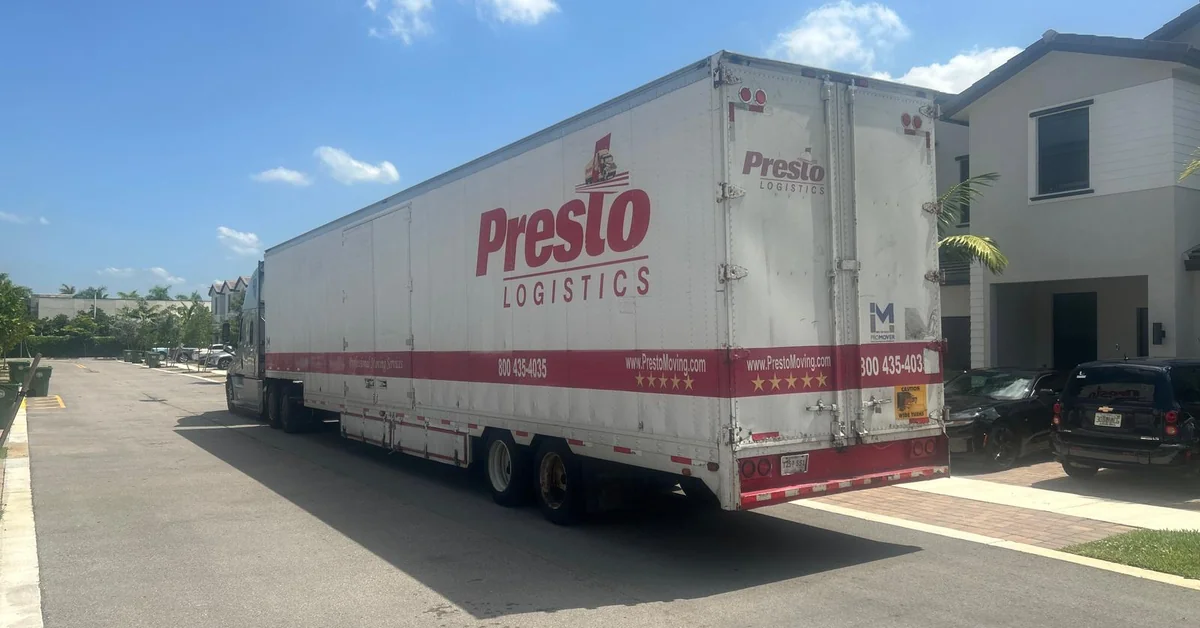
Hiring professional movers means transferring the physical labor, logistics, and liability to a licensed team. The most important best practices start with proper licensing, insurance, and clear documentation. In California, household goods movers must be licensed by the California Public Utilities Commission (CPUC) and carry cargo insurance. A professional move typically includes:
- On-site or virtual survey to calculate weight and access constraints
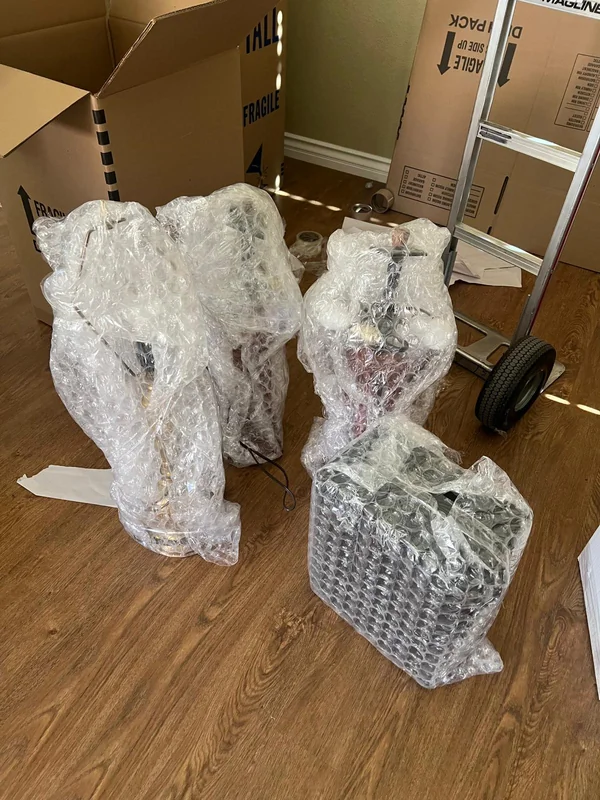
- Use of commercial-grade moving pads, shrink wrap, and wardrobe cartons
- Dollies rated for 600 – 1,200 lbs and stair-climbing techniques for narrow entries
- Bill of Lading outlining valuation coverage and inventory
Costs, Risks, and When Each Option Makes Sense
Choosing between PODS and professional movers comes down to logistics, labor, risk tolerance, and total cost – not just the base quote. In our experience, customers often underestimate secondary expenses such as parking permits, labor help, or damage repairs.
A client once chose a container for a third-floor walk-up. After factoring in hired labor and a temporary street occupancy permit, the total approached what a full-service move would have cost. Which should you choose?
| Criteria | PODS | Professional Movers |
|---|---|---|
| Cost (Local Move) | May range $400 – $1,200+ depending on container size and duration | Typically $1,200 – $3,500+ based on weight and access |
| Labor | Customer loads/unloads | Full-service loading, transport, unloading |
| Speed | Flexible timeline; multi-day loading common | Often completed in 1 – 2 days locally |
| Risk of Damage | Higher if improperly packed | Lower with trained crews and coverage options |
| Parking/Permits | Customer responsible | Often coordinated by moving company |
| Best For | DIY, flexible schedules, ground access | Complex buildings, heavy items, tight timelines |
- Choose PODS if you have driveway space, flexible timing, and can safely lift 100+ lb items.
- Choose professional movers for stairs, elevators, fragile items, or strict move-out deadlines.
- If unsure, compare total projected costs – including permits and labor – before deciding.
Not Sure Which Option Fits Your Move?
If you’re weighing PODS against hiring movers and want a clear breakdown based on your building, timeline, and inventory, we can help. Our team reviews access constraints, parking logistics, and handling requirements before recommending a direction. Sometimes a container makes sense. Other times, full-service moving prevents delays and hidden expenses. We provide straightforward guidance so you can make an informed decision without pressure.
FAQs
Is PODS cheaper than hiring movers in San Francisco?
PODS can appear cheaper at first because the base container rental may be a few hundred dollars. However, in San Francisco, you must factor in parking permits, potential citations, hired labor if you need help lifting, and extra rental days if your schedule shifts. Professional movers typically charge more upfront, but that price includes labor, truck, equipment, and coordination. For small ground-level moves with flexible timing, PODS may cost less overall. For apartments with stairs, elevators, or strict building windows, full-service movers often end up being comparable once all indirect costs are included.
Do I need a permit to place a PODS container in San Francisco?
In many neighborhoods, yes. If the container sits on a public street, you may need a Temporary Occupancy Permit from the San Francisco Municipal Transportation Agency (SFMTA). Approval depends on street width, traffic flow, and fire lane access. Some residential blocks simply cannot accommodate a large container legally. Buildings with HOAs or property managers may also require written approval and proof of insurance. Skipping permits can result in fines or forced removal, which disrupts your move schedule. Always confirm placement rules before scheduling delivery.
How much do PODS or movers typically cost, and how long does each take?
For local moves, a PODS rental may range from $400 to $1,200 or more depending on container size, distance, and storage duration. Professional movers in San Francisco often range from $1,200 to $3,500 or higher depending on weight and access challenges. PODS loading may take several days at your pace, while professional movers can often complete a local move in one to two days. Pricing fluctuates based on site complexity, material costs, and total scope. These figures are preliminary benchmarks for informational purposes only and do not constitute a binding quote. An on-site evaluation is required for a final proposal.
Can I realistically handle a PODS move myself?
If you are comfortable lifting heavy furniture, using ratchet straps, and safely stacking items to prevent shifting, a DIY container move can work. You will need moving blankets, tie-down straps, and a plan for weight distribution. However, many San Francisco properties involve stairs, narrow hallways, or tight corners that require experience and specialized dollies. Attempting to move large items without proper technique increases the risk of injury and property damage. If you have fragile antiques, oversized furniture, or strict time limits, professional help often reduces both physical strain and liability.
What are warning signs that a PODS move might not be a good fit?
Limited street access is one of the biggest concerns in San Francisco. If your block has heavy traffic, bus routes, or narrow lanes, placing a container may not be feasible. Another warning sign is a building that requires elevator reservations and Certificates of Insurance – containers do not solve those logistical steps. If you are on an upper floor without elevator access, repeated trips carrying heavy items can extend the move and increase injury risk. When time is limited or the move-out date is fixed, relying on a multi-day self-load can create scheduling problems.
What common moving challenges are specific to San Francisco?
San Francisco presents steep hills, tight stairwells, and limited curb space. Many buildings require advance elevator bookings and proof of insurance before allowing move-ins. Street cleaning schedules and parking enforcement are strictly monitored. Fog and coastal moisture can also affect exposed furniture if items are staged outdoors. These factors increase the importance of planning. Professional movers typically coordinate permits and staging areas, while PODS users must manage these details independently. Ignoring local constraints often results in delays, citations, or additional labor costs.
How do I choose a reputable moving company?
Verify that the mover is licensed with the California Public Utilities Commission (CPUC) and carries active cargo and liability insurance. Ask for a written estimate following a visual survey, not just a phone quote. Review the Bill of Lading carefully to understand valuation coverage. A professional crew should use clean trucks, commercial-grade pads, and proper lifting equipment. Be cautious if a company demands large cash deposits or refuses to provide documentation. Transparency in pricing, clear communication, and proof of insurance are essential when trusting someone with your household goods.
What should I do if my move is coming up quickly?
If your move date is approaching, first confirm building requirements such as elevator reservations and insurance certificates. For PODS, check container availability and permit timelines immediately. For professional movers, request an expedited on-site or virtual survey to secure your date. Begin packing non-essential items using sturdy double-wall cartons and proper cushioning. Even in non-emergency situations, waiting too long can limit options during peak seasons. Scheduling as soon as possible increases your chances of securing the equipment, labor, and permits needed for a smooth move.