
Moving to a new home is exciting. But what about your beloved greenery? As professional movers, we help people relocate their green friends all the time. Trust us, it takes more care than you might think. These living things need special attention during a move. They can get stressed, damaged, or even die without proper handling. The good news? With the right tips, you can move plants safely and keep them thriving. Let us share what we have learned from years on the job.

Why Learning to Move Plants the Right Way Matters
Your greenery is not just decoration. It represents living investments that took time and love to grow. When you move plants without proper care, they can suffer shock. Leaves wilt, roots get damaged, and some never fully recover. We have seen it happen too many times during relocations.
Think about how much effort you put into your garden or houseplant collection. You do not want to start over at your new location. Learning the right techniques protects that investment completely. Plus, healthy greenery makes your new home feel like home faster. When you move plants correctly, they bounce back quicker. A little preparation goes a long way when it comes to keeping plants happy during a big change.
Preparing Your Garden and House Plants Before Moving Day
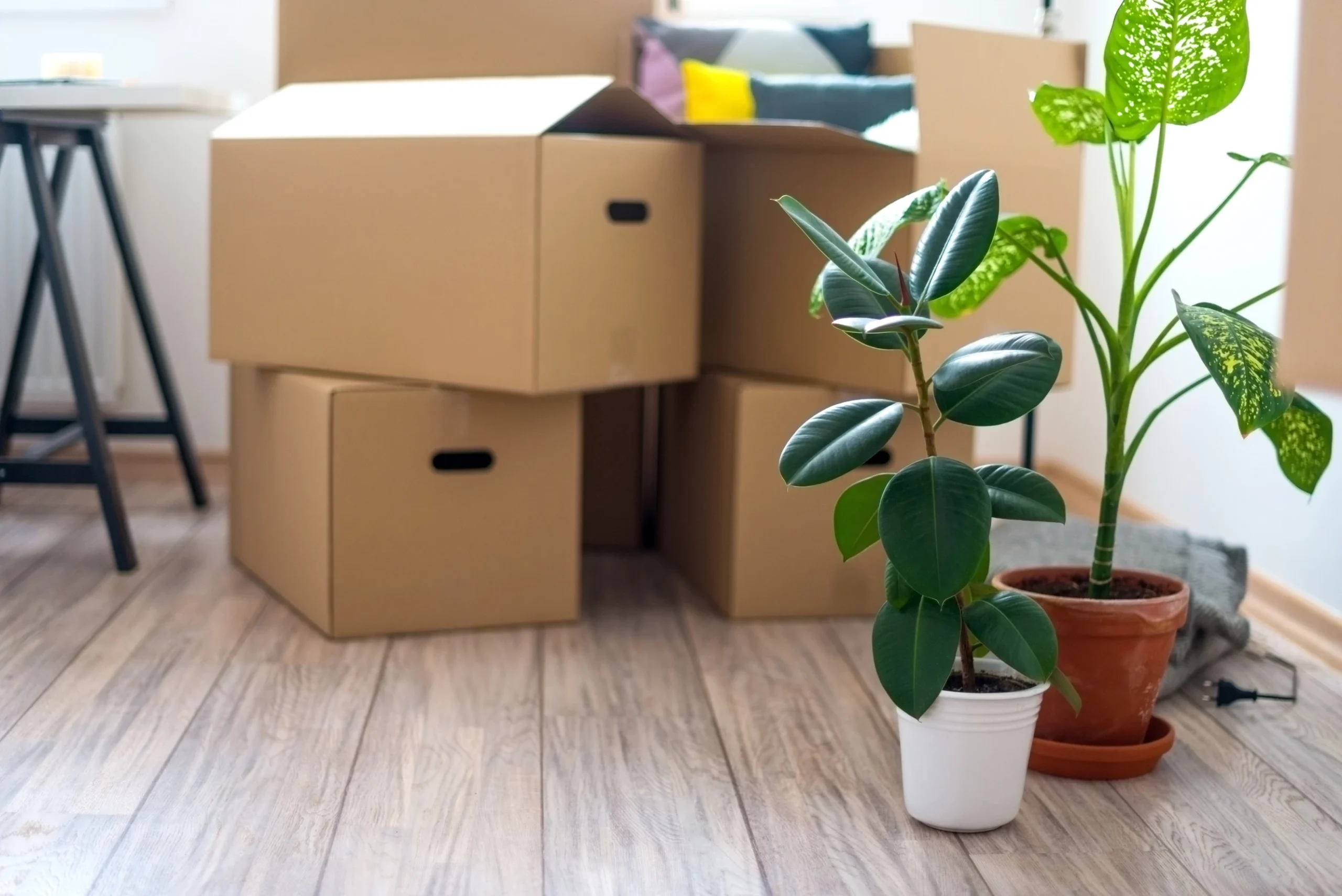
Preparation starts weeks before the moving truck arrives. First, take stock of what you have. Some varieties travel better than others. Your hardy house plant might do fine, but delicate flowers need extra care. About three weeks out, start getting everything ready for the journey ahead.
Check each pot for pests or disease. You do not want to bring problems to your new home. Repot anything that has outgrown its container. Fresh soil gives roots room to settle after the move. Also, consider which ones are worth taking with you. Sometimes starting fresh makes more sense than hauling everything across town.
How to Water and Care for Plants Before Packing
Timing your water schedule is crucial when you move plants long distances. You want soil that is moist but not soaking wet. Water everything about two days before moving day. This gives the soil time to absorb moisture without becoming heavy and messy.
Wet soil adds weight and can spill during transport. Dry soil causes stress and makes foliage fragile. Finding that sweet spot keeps your collection comfortable throughout the journey ahead. We always tell customers to skip fertilizing for a few weeks before the move. This helps them focus on surviving the transition.
Trimming Shrubs and Larger Garden Plants
Bigger specimens need special attention before any move. If you are bringing a shrub or large garden variety, pruning helps a lot. Trim back overgrown branches to make everything more compact. This reduces the chance of breakage during the move significantly.
For outdoor varieties, dig them up carefully about a week before moving. Place them in temporary containers with their root balls intact. Keep them in a shaded area and water regularly. Any experienced gardener knows that transplant shock is real and serious. The less stress you put on roots, the better everything will adjust later.
Packing Tips to Safely Move Plants to Your New Home
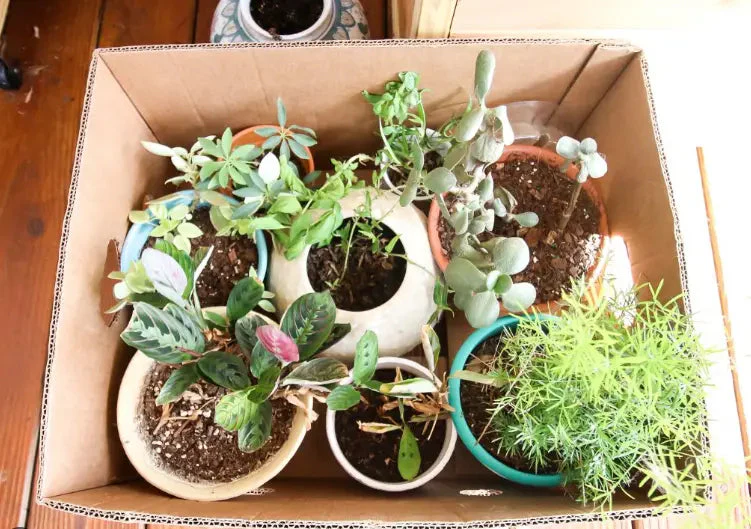
Packing greenery is different from packing everything else you own. Never seal anything in airtight boxes or containers. They need air to breathe during the trip. Use open boxes or crates that allow airflow throughout. Place smaller pots snugly so they do not tip over.
Here are our go-to packing supplies:
- Cardboard boxes with ventilation holes
- Newspaper or packing paper for cushioning
- Plastic bags to contain soil spills
- Rubber bands to secure loose branches
We move plants almost every week in our line of work. Good packing prevents most damage we see. Take your time with this step because rushed packing leads to broken stems.
Keeping Plants Protected During the Transplant Process
The actual move is the most stressful part for your greenery overall. Temperature matters more than you might think during transport. Never leave pots in a hot car or cold truck for hours. Extreme temperatures can kill them fast and without warning.
If possible, transport everything in your own vehicle where you control the climate. Keep pots away from direct sunlight through windows during the drive. The transplant process is hard enough without adding heat stress on top. For longer moves, plan rest stops to check on your collection regularly. We always recommend loading greenery last and unloading it first.
What to Know About Moving Plants Across State Lines
Here is something many people do not realize about relocation. Moving plants across state lines can be complicated. Some states have agricultural restrictions to prevent pest spread. You might need inspection certificates or permits for certain varieties.
Before you move plants across state lines, research the rules carefully. California, Arizona, and Florida have especially strict regulations in place. Some varieties simply cannot cross certain borders legally at all. We have seen customers heartbroken when inspections require them to leave things behind. A quick call to your state’s agriculture department saves major headaches later.
Helping Your Houseplant Adjust to a New Location
Congratulations, you made it to your destination. Now your houseplant collection needs time to settle in properly. Do not expect perfection right away from them. Some leaf drop is normal after you move plants any distance. Your greenery is adjusting to new light, humidity, and temperatures.
Place pots in spots similar to their old positions at home. If something loved a sunny window before, find it a sunny window now. Avoid repotting immediately unless absolutely necessary for health reasons. Give roots time to recover first. Resume your normal water and care routine gradually over time. Within a few weeks, most varieties bounce back just fine with patience.
When to Call the Pros to Move Plants for You
Sometimes the smartest choice is calling professional movers for help. If you have a large collection or valuable specimens, expert help is worth it. We have the equipment and experience to move plants safely every time. Climate-controlled vehicles protect sensitive varieties during long trips across the country.
Professional movers also know the regulations for transporting greenery between states. We handle the paperwork and inspections for you completely. This takes major stress off your plate during an already hectic time in life. When you move plants with experienced help, you get peace of mind. Your green friends will arrive healthy and ready to thrive at your new home.
FAQ
Q: How far in advance should I start preparing to move plants?
A: Start preparing about three weeks before your moving day. This gives you time to repot plants that need it and check for pests. Two weeks out, begin adjusting your water schedule. The week before, prune larger plants and dig up any garden specimens you want to bring. This timeline helps reduce transplant shock significantly.
Q: Can I move plants in a regular moving truck?
A: We do not recommend it for most situations. Moving trucks get extremely hot or cold depending on the weather outside. Plants can die within hours in these conditions. Your personal vehicle is a better choice because you control the temperature. If you must use a truck, load plants last and unload them first.
Q: What should I do if my plant looks sick after the move?
A: Do not panic right away. Some wilting and leaf drop is normal after relocation stress. Give your plant a week or two to adjust before worrying. Make sure it gets proper water and light. Avoid fertilizing until you see new growth. Most healthy plants recover on their own with time and basic care.
Q: Are there varieties that should not be moved at all?
A: Yes, some do not travel well at all. Very large trees and established shrubs often struggle with transplant shock badly. Delicate orchids and some tropical varieties are also risky to relocate. Sometimes selling or gifting these and buying new ones at your destination is the smarter choice overall.
Q: How do I keep pests from spreading during the move?
A: Inspect every pot carefully before packing it up for the move. Look under leaves and in the soil for any signs of bugs. Treat any infestations before moving day arrives. Keep infected specimens separate from healthy ones during transport. This prevents one problem from becoming a whole collection problem.
Q: Do movers typically transport greenery for customers?
A: Many moving companies have policies against transporting living things due to liability concerns. However, some specialty movers do offer relocation services for this. Always ask your moving company about their policy upfront. If they cannot help, consider transporting everything yourself or hiring a specialized service for peace of mind.