
How to Get a San Francisco Moving Permit: Step-by-Step Guide
April 20, 2026
- By
- Presto Movers
- Professional Moving Company
Many people assume they can park a moving truck anywhere in San Francisco as long as it’s “just for a few hours.” At Presto Movers, we’ve been helping clients secure the right permits for years of experience, and we’ve noticed that this misconception causes more moving-day stress than almost anything else. We’ve seen a truck ticketed and forced to circle the block because no temporary parking permit was posted. That delay added hours to the move and extra labor costs. If you’re planning a relocation – whether you’re hiring local movers in San Francisco or organizing it yourself – understanding the permit process protects your schedule, your budget, and your peace of mind.
What the City Actually Requires for Moving Trucks
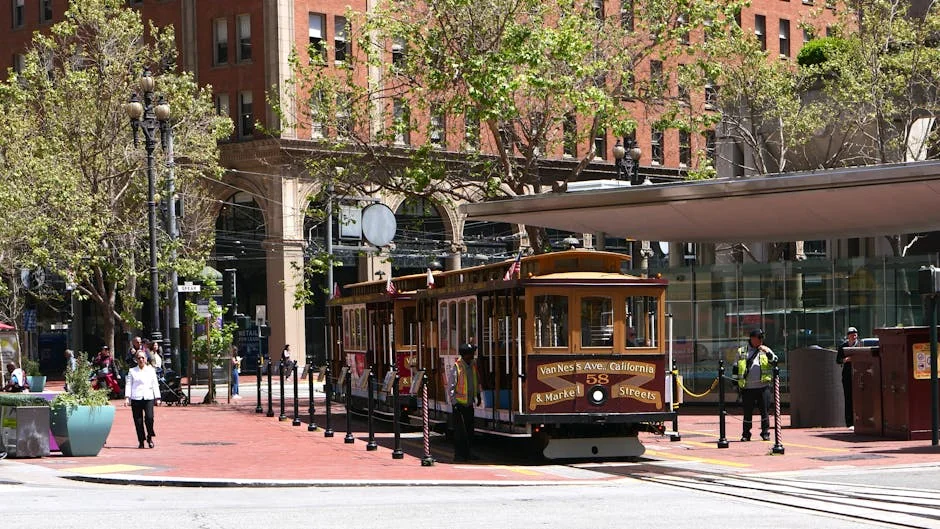
San Francisco’s dense neighborhoods, steep grades, and seismic safety planning make curb management tightly regulated. Emergency access routes, Muni corridors, and bike lanes must remain clear. That’s why moving permits are enforced consistently, especially in residential permit zones and downtown corridors.
- SFMTA Temporary Occupancy Permit (TOP) – Required when reserving curb space for moving trucks, containers, or dumpsters. Applicants must specify exact frontage address, linear feet (often 20 – 40 feet), and dates. Official signs must be posted 72 hours in advance. Non-compliance can result in citations, towing, and revoked permit privileges.
- San Francisco Transportation Code, Division I – Governs parking, stopping, and temporary street closures. Violations may trigger fines and enforcement actions by parking control officers.
- San Francisco Department of Building Inspection (DBI) Elevator & Occupancy Rules – Many high-rise buildings require proof of insurance, elevator padding, and scheduled loading windows. Failure to coordinate can lead to denied access and building penalties.

What to Expect Before Moving Day
Securing a moving permit works best when you plan at least 1 – 2 weeks ahead. In our experience, the process typically follows these steps:
- Confirm truck size and required curb length (most apartments require 20 – 30 feet).
- Apply online through SFMTA with exact dates and times.
- Post official signage 72 hours before the move.
- Photograph posted signs to document compliance.
Need Help Securing Your Moving Permit?
If you want to avoid tickets, towing, or last-minute delays, we can review your address and confirm exactly what permit and curb space you need. Our team coordinates directly with city requirements, building management, and posted signage timelines so your truck has a legal place to park on moving day. We’ll assess frontage, truck size, and neighborhood restrictions before you commit to a date. A quick expert check now can prevent hours of delays later.

FAQs
Do I always need a moving permit in San Francisco?
You typically need a Temporary Occupancy Permit if your moving truck requires exclusive curb space in a metered area, time-restricted zone, or Residential Parking Permit neighborhood. If you can legally park the truck without blocking driveways, hydrants, bike lanes, or transit stops – and without exceeding posted time limits – you may not need one. However, in dense San Francisco neighborhoods, open curb space for a 20 – 26 foot truck is rare. We recommend checking the specific block conditions, including red zones and street cleaning schedules, before assuming you can park legally without a permit.
How far in advance should I apply for a San Francisco moving permit?
Applying at least 1 – 2 weeks in advance is the safest approach. Standard Temporary Occupancy Permits often require processing time plus a mandatory 72-hour posting period for signage before the reservation becomes enforceable. During peak moving months – late spring through early fall – processing times can extend. If your building also requires elevator reservations or certificates of insurance, coordinate those timelines simultaneously. Waiting until the last few days may force you to change your moving date or risk parking citations if curb space is unavailable.
How much does a San Francisco moving permit cost?
Permit fees may range from approximately $300 to $500 for a standard residential move, depending on duration and location. Costs can increase if parking meters must be hooded or if additional linear footage is required. Pricing may fluctuate based on site complexity, total scope of curb space requested, and whether enforcement or towing services are needed. Commercial corridors and high-demand areas may carry higher meter-related fees. These figures are preliminary benchmarks for informational purposes only and do not constitute a binding quote. An on-site evaluation is required for a final proposal.
Can I handle the moving permit application myself?
Yes, many residents apply directly through the SFMTA online portal. You’ll need the exact address, desired dates and times, and the total linear feet required. You must also post official signage at least 72 hours before the move and document that posting. Where people run into trouble is miscalculating curb space or overlooking red zones and hydrant setbacks. If your move involves a large truck, a commercial loading zone, or a high-rise building with strict access rules, professional coordination can prevent costly mistakes.
What happens if I move without a permit?
If your truck occupies restricted curb space without a permit, you risk parking citations, meter violations, or towing. Enforcement officers regularly patrol dense San Francisco neighborhoods, especially near transit corridors and residential permit zones. A tow can halt your move entirely while fees accumulate. In addition, blocking a driveway or fire hydrant may create safety hazards and potential liability issues. The primary risk is financial – fines and added labor hours – but the schedule disruption can be just as damaging if you have elevator reservations or lease deadlines tied to that date.
Are there special challenges for moving in San Francisco?
Yes. Narrow streets, steep hills, limited curb frontage, and strict Residential Parking Permit areas create logistical challenges. Many blocks have only short curb segments between driveways, and fire hydrants require about 15 feet of clearance. Street cleaning schedules can also conflict with moving windows. In multi-unit buildings, you may need elevator reservations, insurance certificates, and padded wall protection. Coordinating these elements together – permit, building rules, and truck size – prevents last-minute complications that are common in dense San Francisco neighborhoods.
What should I look for when hiring movers to handle permits?
Look for a company familiar with SFMTA Temporary Occupancy Permits and local enforcement practices. They should understand linear footage calculations, 72-hour sign posting requirements, and hydrant clearance rules. Ask whether they carry general liability and cargo insurance and whether they coordinate with building management. Experienced movers will measure curb space, confirm truck size, and document signage with photos. That preparation shows they’re managing risk, not just showing up with a truck.
What if I need a permit quickly for a last-minute move?
If your move is urgent, check SFMTA’s availability immediately to see whether expedited processing is possible. In some cases, limited curb space may still be reserved if timelines allow for proper posting. If not, consider adjusting truck size or scheduling during lower-demand hours to find legal parking without exclusive reservation. Monitor the block for street cleaning or temporary restrictions. Even in urgent situations, avoid double parking or blocking driveways, as enforcement in San Francisco is consistent and fines can escalate quickly.